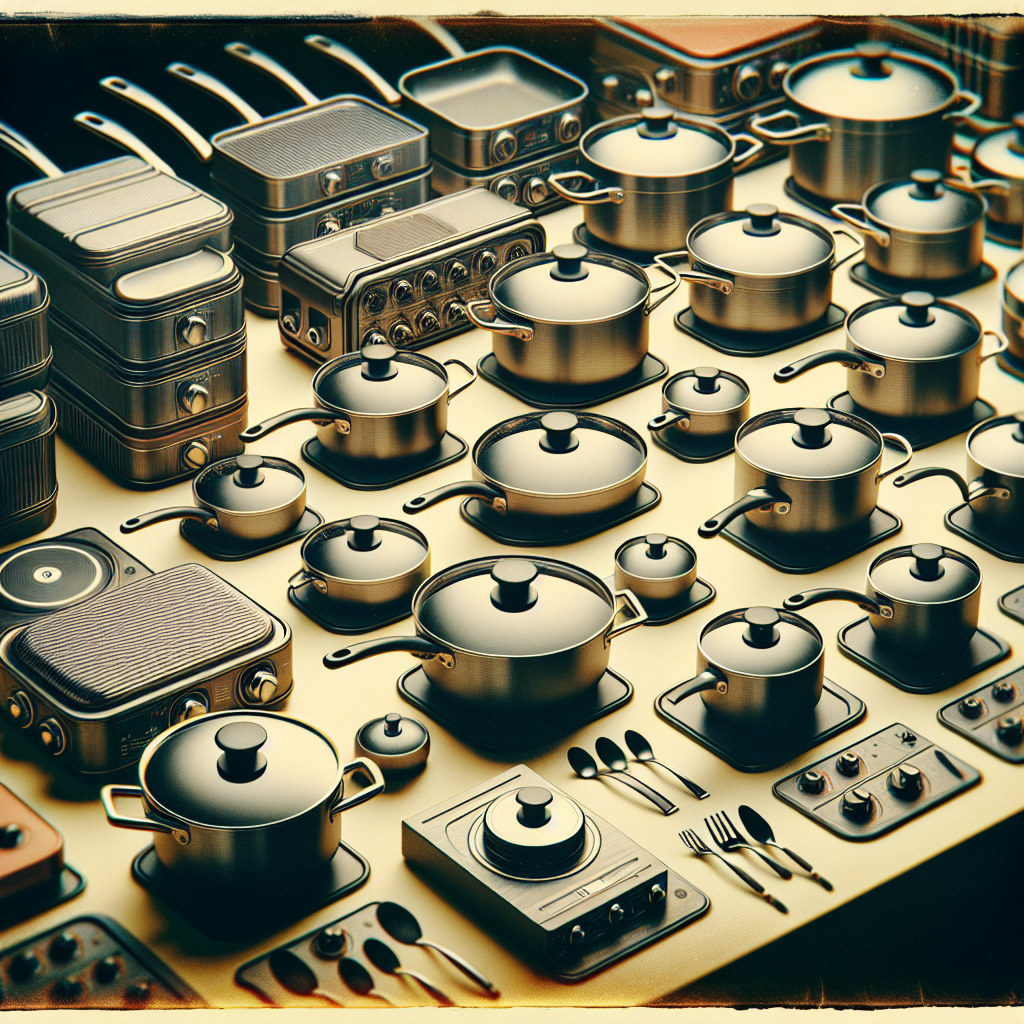
Cookware you can use in the oven and stove provides the flexibility to cook a variety of dishes without switching tools, saving time and reducing cleanup. Materials like cast iron, stainless steel, and enameled cookware are designed to handle high oven temperatures while also performing well on the stovetop. These versatile options are essential for recipes that require browning, searing, and baking in one pan, such as casseroles, roasts, or skillet-based dishes.
Choosing cookware that functions both in the oven and on the stove hinges on understanding material properties. Cast iron, for instance, is incredibly durable, retains heat well, and can tolerate oven temperatures exceeding 500°F. Stainless steel offers excellent heat conduction and corrosion resistance, making it a popular choice for multitask cookware. Enameled cast iron combines the benefits of cast iron with a non-reactive coating, preventing rust and staining, while also supporting oven use.
Durability and Material Compatibility
The key to selecting effective cookware for oven and stove use is durability. Cast iron cookware, such as Dutch ovens and skillets, can withstand extreme heat and rough handling, making it ideal for searing on the stove and roasting in the oven. Stainless steel cookware, especially with layered or clad bases, offers resilience and even heat distribution, but check manufacturer specifications to confirm oven safety. Enameled options provide the advantage of easy cleaning and resistance to staining, suitable for both high-heat cooking and baking.
Safety and Maintenance Considerations
Oven and stove-compatible cookware must meet safety standards to handle high temperatures without warping or releasing harmful substances. Avoid non-stick coatings that may degrade at high heat, unless explicitly rated for oven use. Proper maintenance involves regular seasoning of cast iron, careful cleaning of stainless steel to prevent corrosion, and avoiding sudden temperature shocks that could crack enameled surfaces.
Practical Tradeoffs and Usage Tips
While versatile cookware simplifies kitchen routines, tradeoffs exist. Cast iron, though durable, is heavy and requires seasoning and careful cleaning. Stainless steel heats quickly but may develop hotspots if not layered properly. Enameled cookware offers convenience but can chip if mishandled. Balancing these factors depends on your cooking style, kitchen space, and budget. For example, a well-seasoned cast iron skillet can replace multiple single-use pans, but for delicate sauces, a stainless steel pan might be preferable.
Popular Multi-Use Cookware Types and Their Applications
Some cookware pieces are particularly suited for dual use. Dutch ovens, typically made of cast iron or enameled cast iron, excel at braising, roasting, and baking. Skillets and frying pans made of cast iron or stainless steel are perfect for searing, sautéing, and finishing dishes in the oven. Gratin dishes and casseroles benefit from enameled cookware that can go from stovetop to oven seamlessly. When selecting your tools, consider your most common recipes and how these pieces can serve multiple purposes.
Further Reading
Authoritative Sources
- Cookware Compatibility and Safety Standards
cookware.comProvides detailed information on materials and safety ratings for cookware used in oven and stove combinations
- Consumer Reports on Oven-Safe Cookware
consumerreports.orgOffers independent testing results and recommendations for durable, safe, and versatile cookware options
- America's Test Kitchen: Best Oven-Safe Cookware
americastestkitchen.comIncludes practical reviews and tested recipes to help select the right cookware for oven and stove use
Conclusion
Selecting cookware that can transition seamlessly between the stove and oven depends on understanding material capabilities, safety standards, and your specific cooking needs. Durable options like cast iron, stainless steel, and enameled cast iron stand out for their resilience and versatility. Always verify manufacturer specifications to ensure safety and longevity, especially when dealing with high temperatures. Investing in reliable, multi-use cookware simplifies meal preparation, reduces clutter, and expands your culinary options. Prioritize durability and compatibility over price or brand reputation to build a kitchen arsenal that supports your everyday cooking tasks effectively. Regular maintenance and cautious handling further extend the life of your cookware, making it a worthwhile investment for a well-rounded kitchen setup.