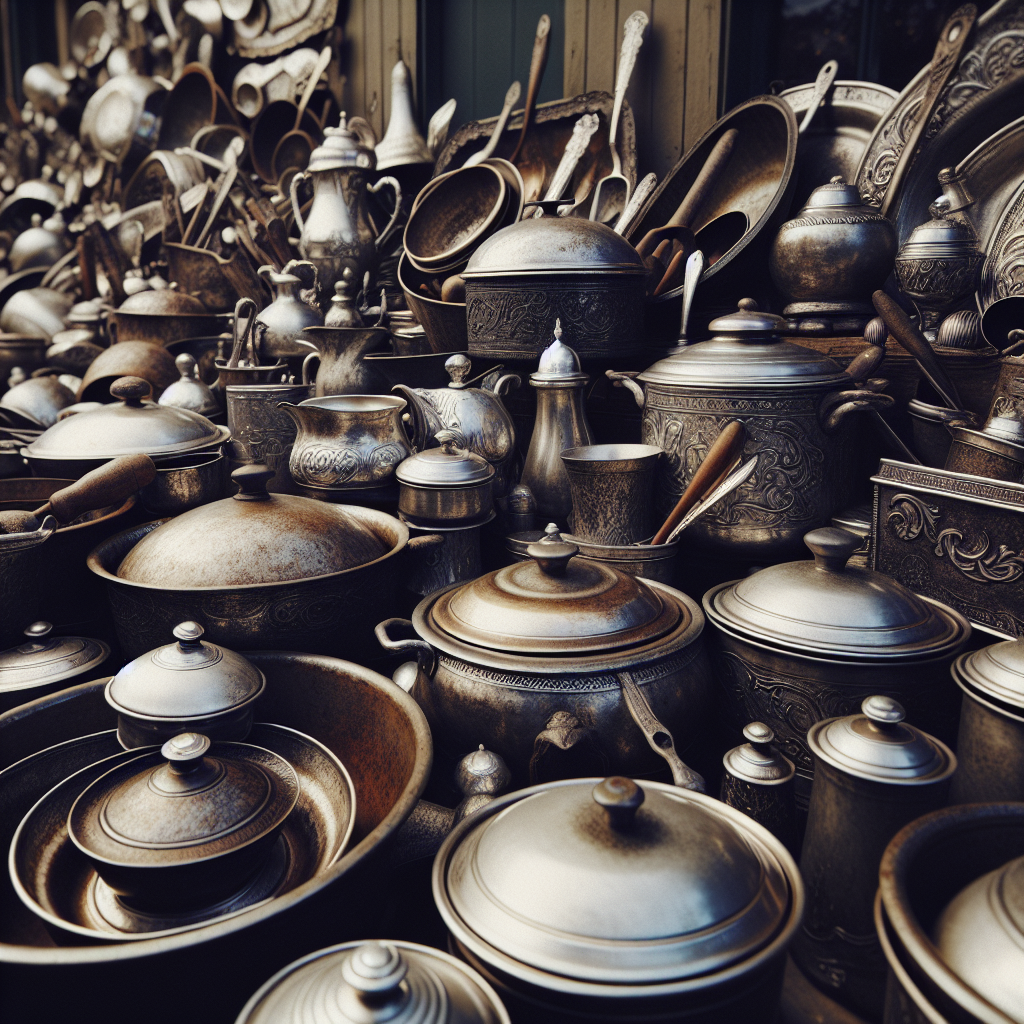
Choosing the best cookware for gourmet home cooking requires a focus on materials that provide precise heat control, durability, and versatility. Stainless steel and cast iron consistently stand out because they excel in delivering even heat distribution, which is critical for delicate sauces, searing meats, and preparing complex dishes that demand high precision. Unlike non-stick options, these materials withstand high temperatures and allow for browning and caramelization that are essential in gourmet recipes.
One of the biggest mistakes home cooks make is relying solely on non-stick cookware for gourmet techniques. While non-stick pans are convenient, they lack the responsiveness needed for nuanced flavor development. Instead, pairing stainless steel with a well-seasoned cast iron skillet offers a balance of responsiveness and durability. For example, a heavy-duty Dutch oven can handle braising, roasting, and bread baking, making it a versatile centerpiece in a gourmet kitchen.
Tradeoffs often involve weight, cost, and maintenance. Cast iron, while highly durable and excellent for heat retention, requires regular seasoning and careful cleaning to prevent rust. Stainless steel, on the other hand, is easier to clean but can be more expensive and heavier. Prioritizing multi-purpose pieces like a high-quality sauté pan or a versatile skillet allows for efficient use of space and budget, especially when building a gourmet cookware collection gradually.
Understanding Material Choices for Gourmet Cooking
Material selection is the foundation of high-performance cookware. Stainless steel offers excellent responsiveness, durability, and compatibility with induction cooktops, making it ideal for sauces, reductions, and precise temperature control. Cast iron provides superior heat retention, perfect for searing steaks, baking bread, or slow-cooking stews. Both materials excel at developing complex flavors and textures that define gourmet dishes.
When choosing between them, consider how often you’ll cook at high temperatures or require oven compatibility. Stainless steel is easier to maintain and clean, but cast iron can last for generations if properly cared for. Many chefs recommend owning both, using stainless steel for quick, delicate tasks and cast iron for searing and slow-cooking methods.
Key Features to Look for in Gourmet Cookware
Prioritize cookware with heavy, multi-ply construction to ensure even heat distribution and prevent hot spots. Handles should be sturdy and heat-resistant to allow safe maneuvering during cooking. Lids need to fit snugly to trap moisture and flavors, especially in braising or simmering dishes. Compatibility with various heat sources, including induction, is also crucial for flexibility.
Additional features such as a polished finish on stainless steel or a pre-seasoned surface on cast iron can improve performance and longevity. Non-reactive surfaces prevent flavor transfer, which is vital when cooking a variety of ingredients. Investing in quality pieces that balance weight, durability, and ease of use will pay off in achieving consistently gourmet results.
Practical Tips for Maintaining Gourmet Cookware
Proper maintenance extends the lifespan and performance of high-end cookware. Stainless steel should be cleaned with non-abrasive scrubbers and occasional use of specialized cleaner to maintain shine. Cast iron requires seasoning after each use with a thin layer of oil to prevent rust and build a natural non-stick surface.
Avoid sudden temperature changes that can cause warping or cracking. For example, don’t rinse a hot cast iron skillet with cold water. Instead, let it cool naturally before cleaning. Regularly inspecting handles and lids for tightness and replacing worn parts ensures safety and consistent performance in gourmet cooking routines.
Building a Gourmet Cookware Collection
Start with essential pieces: a stainless steel sauté pan, a cast iron skillet, and a Dutch oven. These cover most cooking techniques, from searing and frying to braising and baking. As your skills and repertoire grow, add specialized tools like a fish poacher or a roasting pan. Focus on quality over quantity to ensure each piece performs reliably and lasts decades.
Budget constraints should not compromise core material quality. Look for reputable brands that offer warranties and detailed craftsmanship. Gradually expanding your collection ensures a balanced, functional setup that enhances your ability to prepare complex, flavorful dishes at home.
Conclusion
Choosing the best cookware for gourmet home cooking hinges on selecting materials that deliver precise, even heat and withstand rigorous use. Stainless steel and cast iron remain the top choices due to their responsiveness, durability, and versatility. Building a collection with a few high-quality pieces tailored to your favorite techniques maximizes performance without unnecessary expense. Proper maintenance, including careful cleaning and seasoning, ensures longevity and consistent results. Prioritize functionality and craftsmanship over brand names to achieve restaurant-quality dishes at home. As you expand your toolkit, focus on the core pieces that support a wide range of recipes, and always consider your specific cooking style and kitchen setup. This strategic approach will elevate your culinary skills and help you craft complex, flavorful dishes with confidence.