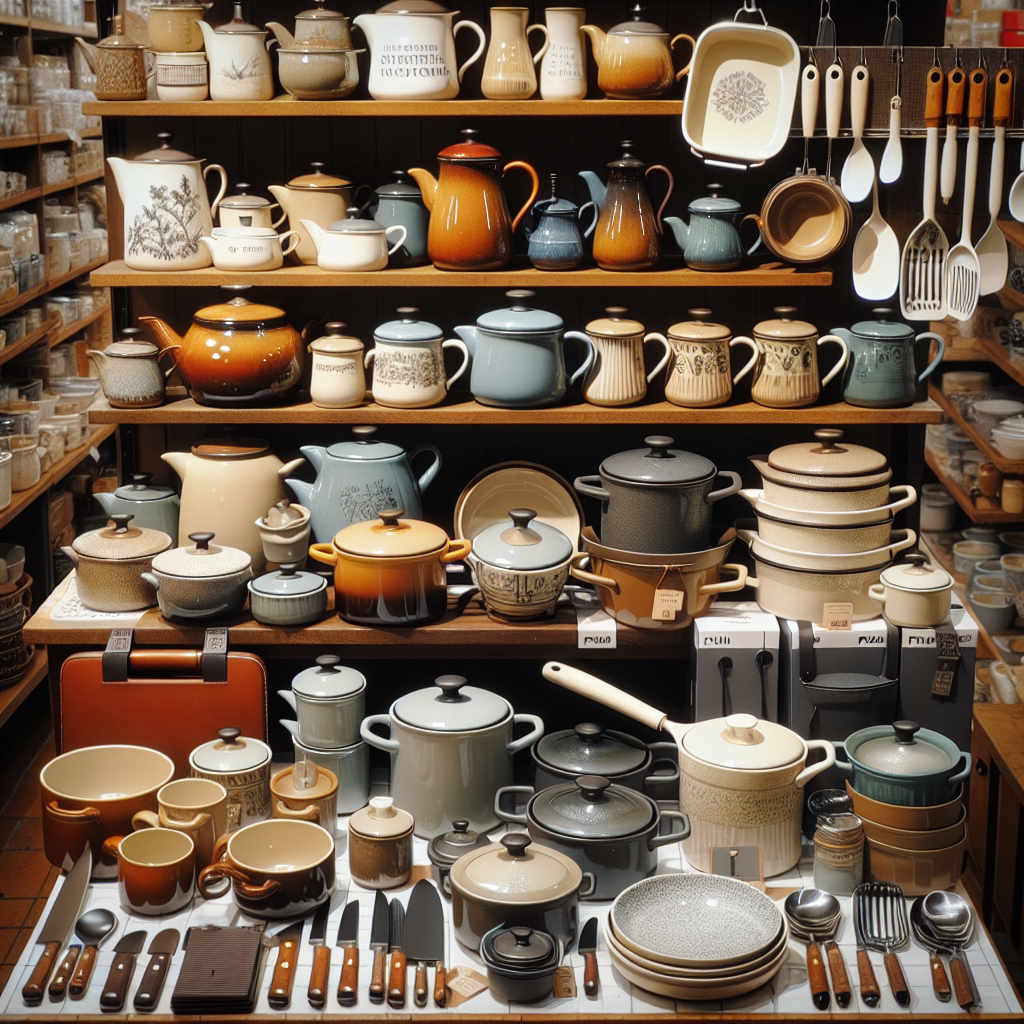
Choosing high-quality cookware in store requires a systematic approach that combines visual inspection, physical testing, and understanding material properties. The first step is to examine the cookware’s surface thoroughly. Look for scratches, uneven finishes, or signs of poor manufacturing, which can indicate inferior quality and affect cooking performance or durability. Heavier cookware generally suggests better material density and heat retention, but it should also feel comfortable in your hand. Handle sturdiness is equally critical; test handles by applying gentle pressure to assess stability and attachment strength.
Visual Inspection of Material and Surface
Start by closely examining the material used. Stainless steel, cast iron, aluminum, and non-stick coatings each have distinct quality markers. For stainless steel, check for a uniform finish without discoloration or pitting. Cast iron should feel solid and free of cracks or rust. Non-stick surfaces must be smooth and free of scratches or peeling.
Assessing Weight and Balance
Weight is a practical indicator of material density and manufacturing quality. Heavier cookware generally retains heat better and resists warping. During testing, lift the item to judge its heft and balance. Too light may suggest thin, inferior materials that warp or deform, while overly heavy models can be difficult to handle safely. Balance the weight with ergonomic comfort to ensure safe and effective use in daily cooking.
Testing for Warping and Flatness
Warped cookware causes uneven heating, leading to inconsistent cooking results. To test flatness, place the cookware on a flat surface or use a straightedge to check for gaps or bends. You can also perform a simple heat test by heating the pan slightly and observing if it warps or rocks. Warping is often caused by poor manufacturing or low-quality materials and is a critical flaw to identify before purchase.
Inspecting Handles and Attachments
Handles should be securely attached with no wobbling or looseness. Apply gentle pressure to test their stability—loose handles can detach during use, causing safety hazards. Material choice for handles matters too; heat-resistant, sturdy materials like silicone or metal improve safety and longevity. Check for any signs of rust, corrosion, or cracking around attachment points, which indicate inferior construction.
Functional Testing and Practical Checks
If possible, perform simple functional tests such as flicking the surface to check for loose coatings or tapping the bottom to listen for a solid sound, indicating durability. Some stores allow you to simulate cooking conditions by checking lid fit, handle comfort, and overall ergonomics. Remember that assessing these practical aspects helps prevent issues like warping, coating peeling, or handle failure after purchase.
Popular Questions
How can I effectively perform a visual inspection of material and surface quality?
Start by examining the material in good lighting conditions, looking for any surface irregularities, discolorations, or damages. Use magnification tools if necessary to detect small defects or cracks. Document any issues found and compare them against quality standards to determine if the material passes inspection.
What are the key signs to look for during a visual inspection of surface conditions?
Look for visible defects such as scratches, dents, corrosion, or uneven finishes. Check for inconsistencies in color or texture that might indicate underlying problems. Surface contamination or foreign particles should also be identified as part of the inspection process. Why is visual inspection important before using or processing materials?Visual inspection helps identify surface defects or material inconsistencies that could compromise safety, durability, or performance.
What tools can assist in a thorough visual inspection of material and surface?
Magnifying glasses, portable microscopes, and proper lighting are essential tools for detailed surface examination. Using non-destructive testing methods like dye penetrants can reveal cracks or flaws not visible to the naked eye. These tools help ensure a comprehensive assessment of material integrity.
Conclusion
What are the most reliable signs of high-quality cookware?
High-quality cookware features a uniform surface finish, sturdy handles securely attached, appropriate weight for durability, and resistance to warping or chipping during testing.
How can I test for warping in store?
Place the cookware on a flat surface or use a straightedge to check for gaps or bends, and perform a light heating test to see if it warps under typical cooking conditions.
What should I look for in handle attachments?
Handles should be firmly attached with no wobbling, made of heat-resistant materials, and free of rust or cracks, ensuring safety and longevity.
Can surface finish tell me about cookware quality?
Yes, a smooth, even surface without scratches or discoloration indicates better manufacturing quality and durability.
What are common mistakes when testing cookware in store?
Relying solely on visual appearance without physical testing, ignoring handle stability, or not checking for warping can lead to poor purchase decisions.