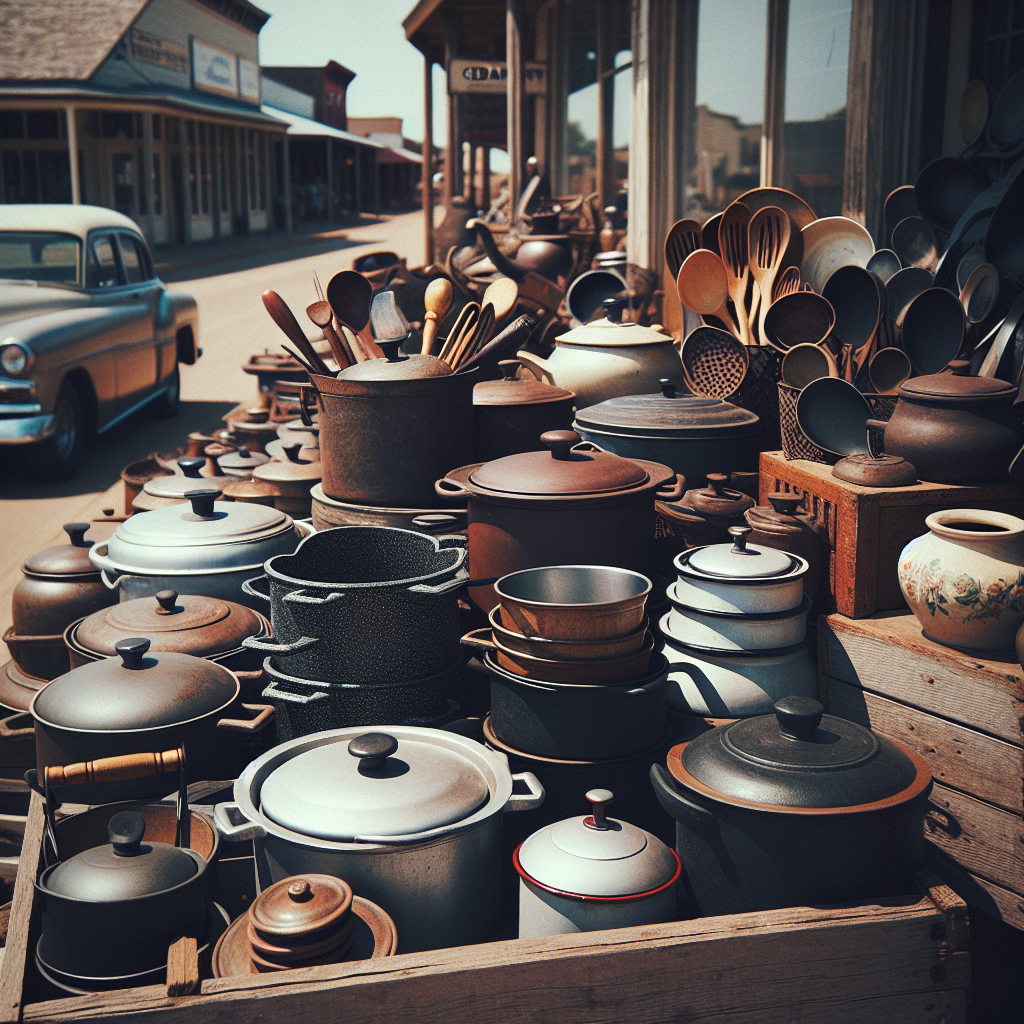
Rust formation on cookware, especially cast iron and carbon steel, is a common issue that results from prolonged exposure to moisture combined with inadequate drying or protective measures. Immediate and thorough drying after cleaning is critical; moisture left on the surface creates the perfect environment for rust to develop. Applying a thin layer of cooking oil or mineral oil before storing helps form a moisture-resistant barrier, significantly reducing the risk of rusting over time.
Many users overlook the importance of proper storage conditions. Keeping cookware in a dry, well-ventilated area and avoiding stacking wet or damp items can prevent moisture buildup. Regularly inspecting cookware for signs of rust and addressing small spots early with gentle scrubbing and re-oiling can prolong its lifespan. Using protective coatings, such as seasoning cast iron, enhances rust resistance and maintains non-stick qualities.
Proper Cleaning and Drying Techniques
Cleaning cookware thoroughly with warm water and a brush or non-abrasive scrubber removes food residues that can trap moisture. Avoid soaking cookware for extended periods, especially if it’s prone to rust. After washing, dry cookware immediately using a clean towel or by heating it briefly on the stove to evaporate residual moisture. This step is vital because even a small amount of water left on the surface can lead to rust formation.
Applying Protective Oil Layers
Oiling cookware after each cleaning creates a protective barrier that repels moisture. Use a food-safe oil such as vegetable or mineral oil, applying a thin, even layer with a soft cloth or paper towel. For cast iron, seasoning by baking the oiled cookware in an oven at 375°F (190°C) for an hour enhances rust resistance and maintains non-stick properties. Repeating this process periodically restores the protective layer and prolongs cookware life.
Storage Best Practices for Rust Prevention
Store cookware in a dry environment, ideally with a moisture-absorbing packet or in a cabinet with good air circulation. Avoid stacking wet cookware or placing it in humid areas like near the stove or dishwasher. Using a cloth or paper towel between stacked pieces can absorb excess moisture and prevent scratches that expose metal surfaces to air. Regularly inspecting stored cookware helps catch early signs of rust, allowing prompt treatment.
Regular Maintenance and Rust Removal
Routine maintenance includes cleaning, drying, and oiling cookware to prevent rust buildup. When rust spots appear, gently scrub them with steel wool or a rust eraser, then re-season or re-oil the surface. Avoid harsh chemicals that can damage protective coatings. Addressing rust early prevents it from penetrating deeper into the metal, which can compromise cookware integrity and performance over time.
Additional Tips for Long-Term Care
Avoid leaving cookware in damp environments for extended periods. Use silica gel packs or dehumidifiers in storage areas to reduce moisture levels. For cookware prone to rust, consider applying a periodic protective coating of oil or wax. Proper handling, cleaning, and storage practices are essential to maintain cookware’s durability and prevent rust, especially for materials like cast iron and carbon steel that rely on seasoning layers for protection.
Conclusion
Preventing rust on cookware hinges on controlling moisture exposure through proper cleaning, thorough drying, and protective oiling. Storage conditions play a crucial role; keeping cookware dry and well-ventilated minimizes rust risk. Regular maintenance, including rust removal and re-seasoning, extends the lifespan of your cookware and keeps it safe and functional. Prioritize these practices, especially for cast iron and steel pieces, to avoid costly replacements and ensure your cookware remains in prime condition for years to come.