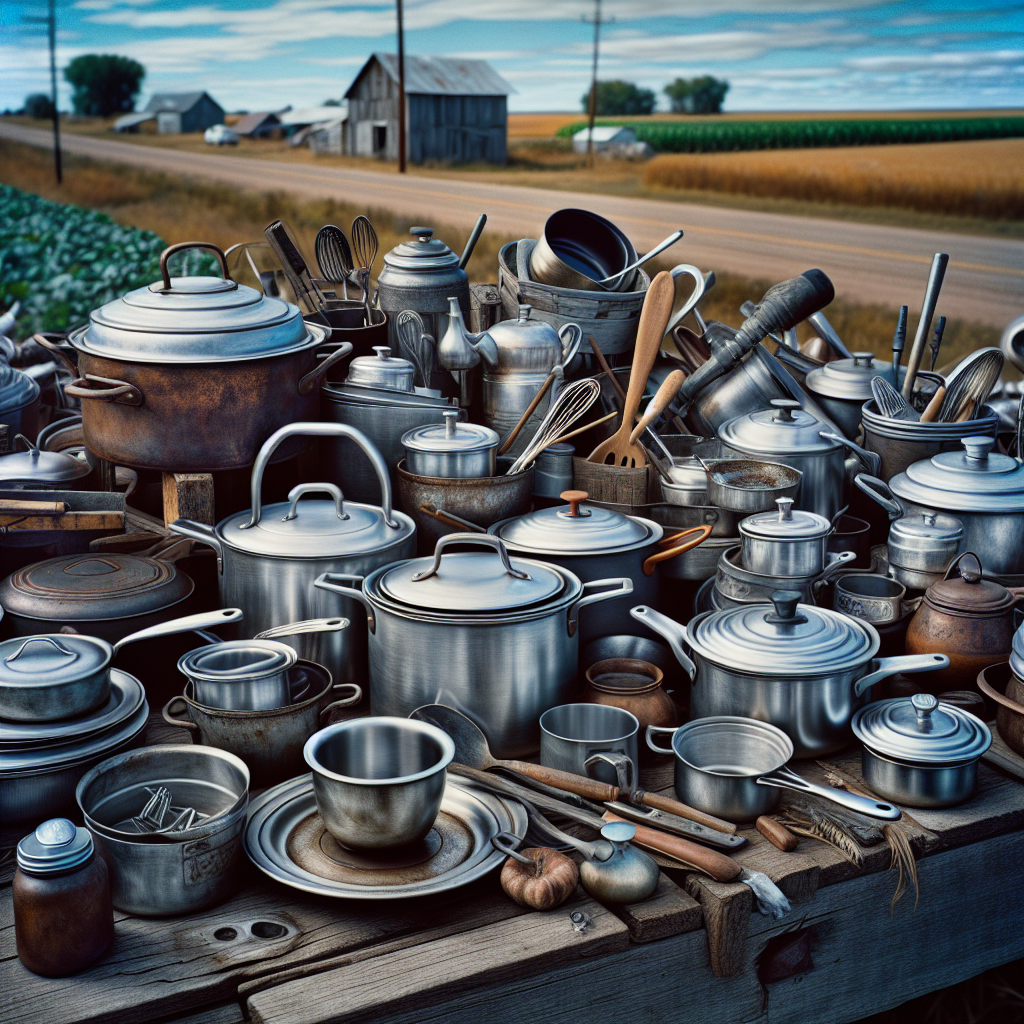
Cookware maintenance for long-term use relies on disciplined cleaning, proper handling, and correct storage practices. Each cookware material—whether stainless steel, cast iron, non-stick, or ceramic—demands specific care routines that prevent deterioration, preserve performance, and extend lifespan. Neglecting these routines accelerates damage, leading to warping, coating degradation, or rust, which compromises safety and cooking quality.
In practical terms, the first step is cleaning immediately after use, using appropriate tools—soft sponges for non-stick, stiff brushes for cast iron—and avoiding harsh abrasives that scratch surfaces. For stainless steel, a mixture of warm water and mild detergent suffices, while cast iron benefits from minimal soap and thorough drying to prevent rust. Non-stick coatings require gentle cleaning to avoid peeling, and ceramic cookware should be wiped clean with non-abrasive cloths.
Drying is equally critical; moisture left on cookware can cause corrosion, especially in metals prone to rust. Using a towel or air drying in a warm environment helps maintain integrity. Proper storage involves stacking cookware carefully, avoiding contact with abrasive surfaces, and using separators or cloths to prevent scratches. For cast iron, applying a light coat of oil before storage prevents rust formation. Regularly inspecting cookware for signs of damage allows timely intervention, such as resealing or re-seasoning, which prolongs usability.
Material-Specific Maintenance Routines
Different cookware materials require tailored maintenance routines. Stainless steel is durable but can develop water spots and stains; cleaning with vinegar or specialized stainless steel polish restores shine. Cast iron benefits from seasoning—applying a thin oil layer periodically to maintain non-stick properties and prevent rust. Non-stick cookware needs gentle cleaning with non-abrasive sponges and avoiding metal utensils that can scratch coatings. Ceramic pots should be cleaned with soft cloths and avoided sudden temperature changes to prevent cracking.
Common Mistakes That Shorten Cookware Lifespan
Many users damage cookware by using abrasive cleaning tools, exposing non-stick surfaces to metal utensils, or storing improperly. Overheating cookware without food or water can warp metal bases, while neglecting to dry cookware thoroughly invites rust. Applying harsh chemical cleaners on delicate surfaces accelerates coating breakdown. These mistakes often stem from a lack of understanding of material limitations and proper care routines. Recognizing and correcting these behaviors is essential for long-term maintenance.
Tradeoffs and Practical Constraints in Maintenance
Effective maintenance involves balancing cleaning thoroughness with material sensitivity. For example, aggressive scrubbing removes residues but risks surface damage, while gentle cleaning preserves coatings but may leave minor stains. Budget constraints can limit the use of specialized cleaning products or frequent re-seasoning, so prioritizing routine care over expensive interventions is often more practical. Additionally, the time investment in regular maintenance pays off in extended cookware lifespan, reducing replacement costs.
Implementing a Long-Term Maintenance Plan
Establishing a routine schedule—cleaning after each use, inspecting monthly, reseasoning cast iron periodically—helps embed good habits. Using designated cleaning tools for each cookware type prevents cross-contamination and damage. Keeping detailed records of maintenance actions allows tracking wear patterns and planning timely repairs or replacements. Educating all users on proper handling minimizes accidental damage, ensuring cookware remains safe and effective for many years.
Popular Questions
What is the fastest way to improve Material-Specific Maintenance Routines without making beginner mistakes?
The fastest way to improve Material-Specific Maintenance Routines is to simplify the process and control one variable at a time. Start with the most important baseline: define the goal, identify the main failure point, and test one change before making another. Keep short notes so you can connect the outcome to the adjustment you made. This prevents guesswork and helps you build a repeatable method instead of chasing random fixes.
What should you check first when Material-Specific Maintenance Routines is not working well?
Check the most immediate bottlenecks first: setup errors, missing inputs, bad timing, or inconsistent follow-through. Before buying anything new or changing the whole system, confirm that the basics are being done correctly and consistently. A small diagnostic checklist usually reveals the real problem faster than broad trial and error. Once the weak point is clear, make one correction and watch the result before adjusting anything else.
What common mistakes make Material-Specific Maintenance Routines harder than it needs to be?
The most common mistakes are changing too many variables at once, skipping the basics, and judging results too quickly. Many people also copy generic advice without adapting it to their exact situation, which leads to weak results and confusion. A better approach is to work from a simple baseline, make measured changes, and give each change enough time to show whether it helped. That makes progress easier to track and repeat.
Conclusion
Maintaining cookware for long-term use hinges on understanding material-specific needs and avoiding common mistakes like abrasive cleaning or improper storage. Regular cleaning, thorough drying, and careful handling significantly extend the lifespan of pots and pans. Implementing a disciplined maintenance routine tailored to each material type ensures safety, performance, and value over many years. Prioritizing these practices not only preserves cookware but also enhances your cooking experience, reducing replacement costs and environmental impact. Consistent attention to detail in cleaning and storage is the most practical investment in cookware longevity.