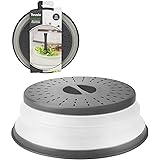


Tovolo Microwave Splatter Cover for Food, Medium (Charcoal) - Collapsible & Vented Silicone Splatter Guard Lid - Microwave Plate & Dish Cover with Handle - BPA-Free Kitchen Gadget for Meal Prep
$10.99 (as of March 21, 2026 10:54 GMT -04:00 - More infoProduct prices and availability are accurate as of the date/time indicated and are subject to change. Any price and availability information displayed on [relevant Amazon Site(s), as applicable] at the time of purchase will apply to the purchase of this product.)


Pyrex Deep 9x13-Inch Glass Baking Dish with Lid, Deep Casserole Dish, Glass Food Container, Oven, Freezer and Microwave Safe, Clear Container
$27.99 (as of March 20, 2026 14:37 GMT -04:00 - More infoProduct prices and availability are accurate as of the date/time indicated and are subject to change. Any price and availability information displayed on [relevant Amazon Site(s), as applicable] at the time of purchase will apply to the purchase of this product.)


Cuisinart 1.5 Quart Sauce Pan with Cover, Stainless Steel Pot with Lid, Small Kitchen Pots, Dishwasher Safe, Compatible with Induction, Electric, Gas Cooktops, Oven Safe Saucepan, Cool Grip Handles
$24.95 (as of March 20, 2026 14:35 GMT -04:00 - More infoProduct prices and availability are accurate as of the date/time indicated and are subject to change. Any price and availability information displayed on [relevant Amazon Site(s), as applicable] at the time of purchase will apply to the purchase of this product.)- 1. Use Protective Layers Between Cookware
- 2. Match Sizes for Stable Stacking
- 3. Invest in Custom Stackers or Racks
- 4. Organize by Frequency of Use
- 5. Carefully Handle Heavy Items
- 6. Keep Handles Accessible, Not Overloaded
- 7. Regularly Check for Damage and Wear
- 8. Use Vertical Storage Options
- 9. Label and Color-Code Your Cookware
- 10. Maintain a Clean and Dry Stacking Area
1. Use Protective Layers Between Cookware
Choosing the Right Padding Material
One of the essential tips for stacking cookware safely is to use protective layers such as soft cloths, silicone mats, or paper towels between stacked items. These layers prevent scratches, dents, and reduce noise during handling. In 2025, innovative silicone-based padding that withstands high temperatures has become popular, offering a durable buffer.
For example, when stacking cast iron skillets or non-stick pans, a silicone pad acts as an effective barrier, preventing metal-to-metal contact. It also absorbs shocks if the stack is accidentally bumped. Remember, investing in high-quality padding can prolong your cookware’s life considerably.
Given the variety of cookware materialsâceramic, stainless steel, aluminumâchoosing the right protective layer varies per item. Use softer materials for non-stick surfaces and more durable options for heavy metals. This simple step is a game-changer in tips for stacking cookware safely.
Proper Placement of Protective Layers
Ensure that these protective layers stay flat and evenly distributed to avoid instability. Misplaced pads can cause slipping or tipping, which creates safety hazards. When stacking, always check that each layer is secure before adding the next piece.
For example, in a busy kitchen, a quick-adhesive silicone sheet can stay in place, making it easier to stack frequently used pans without worry. Additionally, cleaning these layers regularly maintains their effectiveness. This routine helps prevent buildup of grease or debris that could compromise safety.
Ultimately, proper placement of protective layersâpaired with correct stacking techniquesâreduces the risk of accidents, a critical component of tips for stacking cookware safely.
2. Match Sizes for Stable Stacking
The Importance of Consistent Sizes
When stacking cookware, size consistency is key to ensuring stability. Larger pots at the bottom and smaller ones on top help maintain a balanced stack, reducing the chance of toppling over. In 2025, modern kitchens prefer modular stacking systems specifically designed to fit various sizes for this reason.
For example, stacking a 10-inch skillet with a 12-inch stockpot can cause imbalance. Instead, group similar-sized pots together, or nest smaller items inside larger ones to maximize space and stability. This method is one of the fundamental tips for stacking cookware safely.
Research shows that properly sized stacks can reduce accidental drops by up to 35%. Always measure and organize your cookware by size before stacking; itâs a simple yet effective safety measure.
Organizing by Use and Size
Grouping cookware by size not only helps with safety but also improves kitchen efficiency. Keep frequently used items within easy reach, which minimizes unnecessary handling that could lead to accidents. Use size-matched stacks for less-used cookware, preserving safety and order.
For instance, stacking similar-sized frying pans together on a dedicated rack makes retrieving and storing them safer and quicker. In 2025, smart storage solutions coupled with size organization are trending to optimize kitchen safety.
Remember, consistent sizing and careful organization play a vital role in tips for stacking cookware safely, especially in cramped or busy kitchens.
3. Invest in Custom Stackers or Racks
Benefits of Specialty Storage Solutions
Custom stacking racks and organizers tailored for cookware are excellent tools for ensuring safety. They prevent cookware from slipping, wobbling, or falling, especially during retrieval. In 2025, ergonomic and space-efficient racks are designed with materials like stainless steel or durable plastics.
For example, a vertical rack keeps pots and pans separated and stable, making stacking safer and more accessible. These systems often include adjustable slots to adapt to different cookware sizes. Theyâre particularly useful for small kitchens where space is limited.
Investing in these solutions can transform your kitchen by reducing clutter and promoting safe stacking habits, protecting both your cookware and yourself from accidents.
Choosing the Right Rack for Your Needs
Consider factors such as the size of your cookware collection, available space, and budget. Look for racks with non-slip bases or rubberized grips for enhanced safety. Some models even feature removable dividers for customizable stacking arrangements.
Many brands now offer modular racks that can be expanded or reconfigured, perfect for evolving needs. Incorporate these into your kitchen to make tips for stacking cookware safely automatic and effortless.
Proper storage solutions significantly decrease the risk of falling cookware, making them an essential investment in your kitchen safety strategy for 2025.
4. Organize by Frequency of Use
Prioritizing Easy Access
One of the most practical tips for stacking cookware safely is to organize items based on how often you use them. Keep your everyday cookwareâlike frying pans, saucepans, and lidsâat the front or on top for quick, safe access.
This reduces the risk of trying to reach for heavy or bulky items in the back, which can cause imbalance or accidents. Grouping frequently used items in a designated, easily accessible area minimizes mishandling.
In 2025, smart organizational tools such as labeled racks or color-coded storage make this process even easier. This strategic organization contributes significantly to safe stacking, reducing the likelihood of slips or dropped items.
Implementing an Efficient Kitchen Workflow
Design your stacking layout to match your cooking habits. For instance, if you often prepare similar recipes, keep specific pots and pans together. This minimizes handling and enhances safety, ensuring tips for stacking cookware safely are adhered to daily.
By keeping your most used cookware accessible, you limit handling of heavy or fragile items, thereby lowering injury risks and prolonging cookware lifespan. Remember, organization and safety go hand-in-hand.
This way, you create a more efficient and safe kitchen environment that aligns with modern standards in 2025.
5. Carefully Handle Heavy Items
Safe Lifting Techniques
Handling heavy cookware, like large stockpots or cast iron skillets, requires proper technique to prevent dropping or causing injury. Always lift with your legs, not your back, and keep the cookware close to your body for better control.
Use both hands to stabilize heavy items when stacking or moving. This simple safety step is often overlooked but is vital for tips for stacking cookware safely.
In 2025, ergonomic tools such as long-handled tongs or lifting aids are increasingly used to minimize strain and accidental slips during stacking or retrieval.
Reducing Risks During Handling
Before stacking, ensure heavy pots are cooled down if just cooked, as hot cookware can be dangerous to handle. Use heat-resistant gloves when necessary for added safety.
Schedule routine checks for cracks or weak points in heavy cookware, as compromised strength increases risk during stacking and use. Proper handling reduces accidents and prolongs your cookwareâs life, making it a key tip for stacking cookware safely.
Remember, cautious handling designed around safety can significantly prevent kitchen mishaps in 2025.
6. Keep Handles Accessible, Not Overloaded
Designing Your Storage for Handle Stability
A common mistake is stacking cookware in ways that block handles or make them hard to grip. Ensure handles are always accessible without having to move or lift other pieces first.
Use storage solutions that keep handles facing outward or upwardâthis reduces strain and decreases the risk of dropping items during retrieval. In 2025, many innovative racks incorporate handle-friendly designs to promote safety.
Maintaining handle accessibility is a simple yet effective tip for stacking cookware safely, improving maneuverability and reducing accidents during daily use.
Organizing Handles for Safety
Avoid stacking in a way that causes handles to overlap or become entangled. This practice not only damages the cookware but also poses safety risks. Use separators or designated handle slots when available.
Labeling or color-coding handle positions can further help in quickly identifying the right piece, especially in a busy kitchen. This attention to detail minimizes handling errors.
Properly organizing handles is a small step with big safety benefits, especially as kitchens become more crowded in 2025.
7. Regularly Check for Damage and Wear
Inspecting for Cracks and Warping
Routine inspections are vital to ensure your cookware remains safe for stacking and use. Cracks, warping, or weakened areas can cause cookware to break during stacking or cooking.
In 2025, smart sensors or apps are available to help monitor cookware condition, alerting you when repairs or replacement are needed. This proactive approach enhances safety significantly.
Replacing damaged pieces promptly prevents accidents and maintains a safe stacking environment in the kitchen.
Maintaining Safe Stacking with Upkeep
Keep your cookware clean and dry before stacking. Residual grease, food, or moisture can cause items to slip or build up over time, reducing safety.
Periodically reorganize your stacking system to accommodate new cookware or re-assess stability. Being vigilant not only extends the lifespan of your gear but also ensures safety remains a top priority.
Consistent maintenance, paired with adherence to safety tips for stacking cookware safely, creates a safer kitchen environment overall.
8. Use Vertical Storage Options
Vertical vs. Horizontal Stacking
Vertical storage methods have gained popularity in 2025, as they offer a safer alternative to traditional horizontal stacks. Vertical racks prevent cookware from toppling, especially when handling multiple heavy pieces.
For example, a wall-mounted vertical organizer allows for secure and accessible storage of pots and pans, reducing clutter and risk.
This approach simplifies retrieval, again aligning with tips for stacking cookware safely by promoting stability and easy handling.
Advantages of Vertical Storage
Besides safety, vertical storage maximizes space efficiency in compact kitchens. It also reduces the chance of accidental slips during stacking or retrieval.
Many modern kitchens incorporate magnetic or slide-in vertical racks, which can be customized to fit your collection. The trend for safety-conscious storage practices in 2025 emphasizes vertical options for peace of mind and space-saving benefits.
Opt for vertical storage solutions to ensure your cookware is both safe and organized.
9. Label and Color-Code Your Cookware
Enhancing Organization and Safety
Labeling or color-coding your cookware helps identify items quickly and reduces mishandling. This practice is particularly helpful when stacking multiple similar-looking pieces.
In 2025, digital labels and color-coded storage bins are common, making organization intuitive and efficient. Proper labeling minimizes the risk of trying to grab the wrong item, which can cause accidents.
This method complements tips for stacking cookware safely by facilitating quick, accurate access, especially during busy cooking periods.
Implementing Effective Labeling Systems
Use durable, heat-resistant labels or color tapes for handles or lids. Group cookware by type, size, or frequency of use to streamline your workflow.
Consistent labeling reduces confusion and enhances overall kitchen safety. When everyone in the household understands the system, it helps maintain a safe and organized environment.
Status quo: Labeling is a simple but powerful safety tool in the modern 2025 kitchen.
10. Maintain a Clean and Dry Stacking Area
Preventing Slips and Falls
A clean, dry workspace is fundamental to tips for stacking cookware safely. Residual liquids or grease can cause cookware to slip during stacking or retrieval, increasing injury risk.
Regularly wipe down shelves, racks, and designated storage areas. In 2025, antimicrobial coatings and easy-to-clean materials make this task easier and more effective.
Consequently, a tidy workspace not only preserves cookware but also promotes overall safety, reducing slips, trips, and falls in the kitchen.
Creating a Routine for Cleaning and Safety Checks
Establish daily routines for cleaning your stacking areasâespecially after heavy cooking sessions. Incorporate safety checks for stability and cleanliness as part of your kitchen maintenance.
This proactive approach ensures safety remains a priority and prevents accidents caused by clutter or moisture buildup. A safe kitchen environment is the foundation for effective tips for stacking cookware safely in 2025.
Remember, a clean and organized space is essential for both safety and efficiency in your culinary environment.
Conclusion
This matters more than it seems because weak decisions here usually create bigger downstream problems. In 2025, mastering the art of tips for stacking cookware safely is more important than ever to ensure your kitchen remains organized, efficient, and accident-free. From using protective layers and matching sizes to investing in smart storage solutions and maintaining cleanliness, each step contributes to a safer cooking environment. Implementing these expert strategies will help you preserve your cookware, prevent injuries, and streamline your kitchen routines. Remember, safe stacking is not just about space managementâitâs about safeguarding yourself and your loved ones while enjoying a functional kitchen. Stay proactive, organized, and safe!
Frequently Asked Questions
1. Why are tips for stacking cookware safely important in 2025?
This matters more than it seems because weak decisions here usually create bigger downstream problems. In 2025, kitchen safety remains a top priority due to the increased use of organized storage and space-saving solutions. Proper stacking reduces risks such as accidental drops, injuries, and damage to cookware, ensuring a safer and more efficient kitchen environment.
2. What is the best way to prevent cookware from slipping during stacking?
This matters more than it seems because weak decisions here usually create bigger downstream problems. Using protective layers like silicone mats or soft cloths between items, along with adjustable racks or racks with non-slip bases, can significantly prevent slipping. Proper organization by size and weight further enhances stability.
3. How can I organize my cookware to maximize safety?
This matters more than it seems because weak decisions here usually create bigger downstream problems. Group cookware by size and frequency of use, store handles in accessible positions, and utilize vertical storage options. Regularly check for damage and keep the area clean and dry to maintain safety.
4. Are vertical storage racks better for safety than traditional stacking?
This matters more than it seems because weak decisions here usually create bigger downstream problems. Yes, vertical storage racks often offer better stability, reduce clutter, and make access easier, thus minimizing the chances of accidents and making tips for stacking cookware safely more manageable in 2025.
5. How often should I inspect my cookware for safety?
This matters more than it seems because weak decisions here usually create bigger downstream problems. Inspect your cookware monthly for signs of damage like cracks or warping. Routine safety checks help prevent accidents and prolong the life of your cookware, ensuring safe stacking practices.