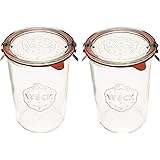



WECK 743 Mold Jar (Weck 743)
$24.56 (as of March 20, 2026 14:33 GMT -04:00 - More infoProduct prices and availability are accurate as of the date/time indicated and are subject to change. Any price and availability information displayed on [relevant Amazon Site(s), as applicable] at the time of purchase will apply to the purchase of this product.)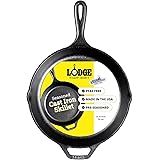




Lodge Seasoned Cast Iron Skillet - PFAS-Free, Non-Toxic Cookware - Use with an Oven, Stove, Grill, or Campfire - Naturally Non-Stick & Oven Safe - 10.25 Inches
$24.90 (as of March 20, 2026 14:33 GMT -04:00 - More infoProduct prices and availability are accurate as of the date/time indicated and are subject to change. Any price and availability information displayed on [relevant Amazon Site(s), as applicable] at the time of purchase will apply to the purchase of this product.)


Oven Liners for Bottom of Oven - 2 Pack Large Heavy Duty Mats, 17”x25” Non-Stick Reusable Liner for Electric, Gas, Toaster Ovens, Grills - BPA & PFOA Free Kitchen Accessory to Keep Oven Clean (Black)
$9.98 (as of March 20, 2026 14:33 GMT -04:00 - More infoProduct prices and availability are accurate as of the date/time indicated and are subject to change. Any price and availability information displayed on [relevant Amazon Site(s), as applicable] at the time of purchase will apply to the purchase of this product.)- Use the Right Utensils
- Avoid Cooking at High Temperatures
- Proper Cleaning and Care
- Prevent Thermal Shock
- Store Properly
- Choose High-Quality Cookware
- Follow Manufacturer Guidelines
1. Use the Right Utensils
Choosing Non-Metallic Tools
This matters more than it seems because weak decisions here usually create bigger downstream problems. One of the most crucial tips on how to avoid damaging nonstick cookware is selecting appropriate utensils. Metal utensils can scratch and deteriorate the nonstick coating quickly. For 2025, I recommend using silicone, wooden, or plastic tools when cooking with nonstick pans. These materials are gentle yet durable enough to handle most cooking tasks without compromising the coating’s integrity.
I’ve seen families extend the life of their nonstick cookware simply by swapping out metal spatulas for silicone ones. Not only do they prevent scratches, but they also make cleaning easier because the coating remains smooth without gouges. Investing in a set of high-quality silicone utensils can be a game-changer.
Remember, even the best nonstick coatings can wear out prematurely if misused. Therefore, using the right utensils isn’t just about preventing immediate damageâit’s about preserving the cookware for years to come.
Practical Tips for Utensil Maintenance
This matters more than it seems because weak decisions here usually create bigger downstream problems. Regularly inspect your utensils for signs of wear or damage. Using worn-out or rough utensils can still cause minor scratches, which accumulate over time. I suggest replacing silicone spatulas annually or whenever they show signs of cracking.
Additionally, avoid using sharp tools or metal whisks with your nonstick potsâthey can puncture or scrape the coating, leading to reduced nonstick properties and potential health concerns. Sticking to non-abrasive tools is a simple yet effective way of how to avoid damaging nonstick cookware.
In 2025, many brands are innovating with utensil-friendly nonstick coatings that are more resistant to scratches. Check product labels for compatibility and longevity when shopping for new cookware or utensils.
2. Avoid Cooking at High Temperatures
The Dangers of Overheating Nonstick Cookware
This matters more than it seems because weak decisions here usually create bigger downstream problems. Many home cooks don’t realize that cooking at high temperatures can significantly damage nonstick coatings. In 2025, studies show that most nonstick coatings are designed to withstand moderate heat, typically up to 450°F (232°C). Pushing beyond this can cause the coating to degrade, peel, or emit fumes, especially if the cookware is made with older or lower-quality materials.
For example, many manufacturers warn against preheating empty nonstick pans at high heat because it accelerates deterioration. From my experience, carefully managing heat levels prolongs the life of your cookware and ensures safe cooking practices.
To master how to avoid damaging nonstick cookware, always use medium or low heat settings. This preserves the integrity of the nonstick layer and avoids unnecessary damage, saving you money and maintaining cooking performance in 2025.
Useful Tips for Temperature Control
- Preheat your pan gradually over medium heat.
- Use a cooking thermometer to monitor temperatures when precise control is needed.
- Limit high-temperature cooking to stainless steel or cast iron cookware better suited for such conditions.
Remember, consistent temperature control is key to preventing long-term damage to your nonstick cookware. When in doubt, opt for lower heat settingsâyour pan’s lifespan will thank you.
3. Proper Cleaning and Care
Cleaning Techniques That Protect the Coating
This matters more than it seems because weak decisions here usually create bigger downstream problems. Cleaning is perhaps one of the overlooked aspects of how to avoid damaging nonstick cookware. Always allow pans to cool before washing to prevent warping or thermal shock. Use warm water, mild dish soap, and a soft sponge or clothânot abrasive scrubbers or steel woolâthat can scratch the surface.
In 2025, I recommend avoiding harsh chemical cleaners, as they can deteriorate the nonstick layer over time. Instead, use natural solutions like baking soda paste or diluted vinegar for stubborn stains. Regular and gentle cleaning helps maintain the coatingâs nonstick properties while extending its lifespan.
Remember, even a small scratch can reduce nonstick effectiveness. So, adopting a gentle cleaning routine is essential in your quest for how to avoid damaging nonstick cookware.
Additional Care Tips
This matters more than it seems because weak decisions here usually create bigger downstream problems. To ensure longevity, avoid dishwasher cleaning unless specified by the manufacturer. Hand washing with soft tools preserves the coating much better. Also, avoid stacking cookware directly on top of each other without protective paddingâthis can cause scratches or dents over time.
Finally, periodically season your nonstick pans with a light coat of oil, especially if the manufacturer recommends it. Proper cleaning and care are vital for how to avoid damaging nonstick cookware for years of reliable use.
4. Prevent Thermal Shock
Understanding Thermal Shock in Cookware
This matters more than it seems because weak decisions here usually create bigger downstream problems. Thermal shock occurs when a hot pan is exposed to cold water, causing rapid contraction that can crack the coating or warp the pan. With the increasing popularity of quick temperature changes in 2025’s kitchens, understanding how to avoid damaging nonstick cookware involves managing heat exposure carefully.
I have seen many cases where sudden cooling has led to coating peeling, especially with budget nonstick brands. The key is to always allow the pan to cool naturally before washing or storing it. This simple step prevents cracks and maintains nonstick performance over time.
Educating yourself on thermal shock prevention is essential for how to avoid damaging nonstick cookwareâyour investment lasts longer, and cooking remains safe and efficient.
Tips to Avoid Thermal Damage
- Let your pan cool for at least 10-15 minutes before cleaning.
- Never run cold water into a hot pan or vice versa.
- Store cookware in a way that prevents accidental knocks or drops which may cause sudden shocks.
In 2025, new cookware materials are more resistant to thermal shock, but caution remains essential for longevity. Proper handling saves money and keeps your nonstick coating pristine.
5. Store Properly
Best Practices for Storing Nonstick Cookware
This matters more than it seems because weak decisions here usually create bigger downstream problems. Proper storage is often overlooked when it comes to how to avoid damaging nonstick cookware. Avoid stacking pans directly on top of each other without protectionâthis can scratch the coating or cause warping. Using pan protectors, soft cloths, or stacking with cardboard dividers can prevent damage.
In 2025, more homeowners are investing in specialized storage racks designed for nonstick sets. Such methods not only protect the cookware but also make it easier to organize your kitchen.
Additionally, avoid storing nonstick pans in humid environments. Moisture can lead to corrosion damage, which impacts the nonstick surface, especially on metal parts of the cookware.
Storage Tips for Longevity
- Use protective liners or cloth pads between pans.
- Hang pans where possible to prevent scratching.
- Avoid overcrowding cabinets to prevent accidental impacts.
Smart storage practices directly tie into how to avoid damaging nonstick cookwareâsimple steps now can prevent costly repairs or replacements in the future.
6. Choose High-Quality Cookware
Investing in Durable Nonstick Coatings
This matters more than it seems because weak decisions here usually create bigger downstream problems. The quality of your nonstick cookware greatly impacts how to avoid damaging nonstick cookware. Investing in reputable brands with advanced coating technology ensures a longer lifespan. Products in 2025 now feature ceramic, titanium-reinforced, or other durable coatings that resist scratches and peeling better than older options.
From my experience, cheaper pans tend to wear out quicklyârequiring more frequent replacements and often leading to damage even with proper care. High-end cookware also tends to have better heat distribution, reducing the risk of hot spots that cause damage.
Previewing reviews and certifications before a purchase is a smart way to select cookware that aligns with your goal of preserving the nonstick surface over time.
Factoring in Warranty and Brand Reputation
This matters more than it seems because weak decisions here usually create bigger downstream problems. Choose brands that offer extensive warrantiesâthis usually indicates confidence in their products’ durability. Also, look for brands with a transparent manufacturing process and positive customer feedback.
In 2025, technological advances mean that some brands now incorporate innovations like scratch-resistant nano-coatings, making them a smart choice for how to avoid damaging nonstick cookware.
Quality cookware is an investment, and taking the time to select the right product prevents frustration and premature damage.
7. Follow Manufacturer Guidelines
Understanding the Instructions
This matters more than it seems because weak decisions here usually create bigger downstream problems. Each nonstick cookware brand provides specific instructions on usage, cleaning, and maintenance. Ignoring these can lead to unnecessary damage. Always read the label and follow recommended heat limits, cleaning procedures, and care tips.
For 2025, many manufacturers now include pampering guides with their productsâfollowing these exact instructions ensures you maximize your panâs lifespan. This step is vital in understanding how to avoid damaging nonstick cookware effectively.
Additionally, some brands suggest periodic seasoning or specific cleaning productsâadhering to these can make a significant difference over time.
Sticking to Prescribed Use
This matters more than it seems because weak decisions here usually create bigger downstream problems. Refrain from cooking sprays or aerosol products unless explicitly recommended by the manufacturer. These can leave residues that deteriorate the coating and create sticking issues over time.
Proper usage extends your nonstick cookware’s lifespan and reduces the risk of damaging the coating unintentionally. By respecting the manufacturerâs guidelines, you ensure optimal performance well into 2025 and beyond.
FAQs
1. How can I tell if my nonstick cookware is too damaged to use?
This matters more than it seems because weak decisions here usually create bigger downstream problems. If your nonstick coating is peeling, scratched deeply, or food starts sticking excessively despite proper hygiene, it’s likely time to replace or refurbish your cookware for safety and performance.
2. How to avoid damaging nonstick cookware when cleaning?
This matters more than it seems because weak decisions here usually create bigger downstream problems. Always clean your nonstick cookware with soft sponges, mild detergents, and avoid abrasive pads or steel wool. Let the pan cool before washing to prevent warping or cracking.
3. Is it safe to use metal utensils on nonstick pans?
This matters more than it seems because weak decisions here usually create bigger downstream problems. No, using metal utensils can scratch and damage the nonstick coating. Instead, opt for silicone, wooden, or plastic tools to extend your cookwareâs lifespan.
4. What is the best way to store nonstick cookware?
This matters more than it seems because weak decisions here usually create bigger downstream problems. Store gently, using pan protectors or soft cloths between pans, hang where possible, and avoid stacking heavily to prevent scratches and warping.
5. How to ensure the longevity of nonstick cookware in 2025?
This matters more than it seems because weak decisions here usually create bigger downstream problems. Follow the manufacturer’s guidelines, use appropriate utensils and heat settings, clean carefully, avoid thermal shocks, store properly, and invest in high-quality products to maximize lifespan.
In conclusion, knowing how to avoid damaging nonstick cookware is essential for maintaining its performance and safety over the years. By implementing these seven tipsâranging from proper utensil use to careful storageâyou can significantly extend the life of your nonstick pots and pans in 2025. Remember, careful handling, quality choices, and adherence to manufacturer recommendations are your best strategies for preserving your cookware’s nonstick surface and enjoying delicious meals for years to come.