


CAROTE Non Stick Frying Pan Skillet, Nonstick Granite Fry Pan with Glass Lid, Egg Pan Omelet Pans, Stone Cookware Chef's Pan, PFOA Free (Classic Granite, 10-Inch)
$19.99 (as of March 20, 2026 10:54 GMT -04:00 - More infoProduct prices and availability are accurate as of the date/time indicated and are subject to change. Any price and availability information displayed on [relevant Amazon Site(s), as applicable] at the time of purchase will apply to the purchase of this product.)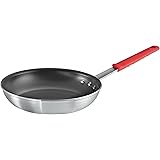
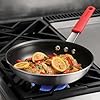


Tramontina Professional 10-Inch Non Stick Frying Pan, Heavy-Gauge Aluminum Skillet with Reinforced Nonstick Coating, Red Handle, Dishwasher and Oven Safe
$31.29 (as of March 20, 2026 10:21 GMT -04:00 - More infoProduct prices and availability are accurate as of the date/time indicated and are subject to change. Any price and availability information displayed on [relevant Amazon Site(s), as applicable] at the time of purchase will apply to the purchase of this product.)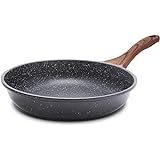


SENSARTE Nonstick Frying Pan Skillet, Swiss Granite Coating Omelette Pan, Healthy Stone Cookware Chef's Pan, PFOA Free (8/9.5/10/11/12.5 Inch) (9.5 Inch)
$17.99 (as of March 20, 2026 10:54 GMT -04:00 - More infoProduct prices and availability are accurate as of the date/time indicated and are subject to change. Any price and availability information displayed on [relevant Amazon Site(s), as applicable] at the time of purchase will apply to the purchase of this product.)- 1. Choose Quality Cookware for Better Results
- 2. Master Proper Heat Management
- 3. Use the Right Utensils for Your Cookware
- 4. Season and Maintain Your Cast Iron Pans
- 5. Optimize Your Cookware Storage
- 6. Preheat Your Pans Correctly
- 7. Keep Your Cookware Clean and Food-Safe
- 8. Use Non-Stick Cookware Wisely
- 9. Invest in Multi-Purpose Cookware
- 10. Use the Right Lid for Sealing and Simmering
- 11. Practice Proper Temperature Correction Techniques
- 12. Incorporate Heavy-Bottomed Cookware for Even Heating
- 13. Choose Appropriate Cookware Materials
- 14. Use Parchment Paper and Silicone Mats for Non-Stick Benefits
- 15. Prevent Damage with Proper Handling
- 16. Enhance Flavor with Specialty Cookware Options
- 17. Upgrade to Induction-Compatible Cookware
- 18. Understand and Use Different Base Coatings
- 19. Invest in High-Quality Knives for Prep Work
- 20. Continuously Educate Yourself with the Latest Trends
1. Choose Quality Cookware for Better Results
Invest in Durable Materials
One of the most essential cookware tips from professional chefs is investing in high-quality cookware. Durable materials like stainless steel, cast iron, and copper offer better heat retention and longevity. This not only improves cooking results but saves you money over time since you won’t need frequent replacements. In 2025, many chefs recommend ceramic-coated cookware for its non-stick qualities and ease of cleaning.
For example, a high-grade stainless steel skillet can last a lifetime and handle high temperatures without warping. Choosing the right cookware material makes a significant difference, especially when preparing delicate sauces or searing meats.
Remember, quality cookware can be a game-changer in your kitchen. It enhances performance, safety, and even energy efficiency. Always do your research and select trusted brands that have positive reviews and warranties.
2. Master Proper Heat Management
Understanding Heat Levels for Different Cookware
Cooking is all about temperature control, and professional chefs swear by mastering heat management. Using too high heat can burn food and damage cookware, while too low heat can lead to uneven cooking. In 2025, smart cooktops with precise temperature settings make this easier than ever.
Different cookware responds to heat differently. For instance, cast iron heats slowly but retains heat well, making it perfect for searing and frying. Conversely, non-stick pans require lower heat to preserve their coating.
Practice adjusting your stove’s heat and observe how different foods respond. This approach will improve your cooking outcome and extend the lifespan of your cookware.
3. Use the Right Utensils for Your Cookware
Protect Your Cookware’s Surface
Using the correct utensils is crucial to maintaining your cookware’s condition and performance. Softer materials like silicone, wood, or nylon are gentle choices that wonât scratch non-stick or ceramic surfaces, while metal tools are suitable for stainless steel or cast iron.
Chefs recommend avoiding metal utensils in non-stick pans as they can damage the coating. Instead, opt for silicone spatulas and wooden spoons, which will extend the life of your cookware and keep it looking new.
In 2025, the market offers a variety of durable, heat-resistant utensils designed specifically for different cookware materials. Always check compatibility before use and invest in a set of high-quality tools for your kitchen.
4. Season and Maintain Your Cast Iron Pans
Proper Seasoning Techniques
Cast iron is beloved by professional chefs for its heat retention and versatility, but it requires proper seasoning. Regular seasoning creates a natural non-stick surface and prevents rust, ensuring your pan lasts decades.
To season your cast iron, coat it with a thin layer of vegetable oil and bake it at 400°F for about an hour. Repeat this process periodically, especially if food begins sticking or rust appears. Cleaning should be done with minimal soap, and always dry thoroughly to prevent corrosion.
Maintenance tips for cast iron in 2025 include using it regularly and avoiding harsh detergents. This cookware tip from professional chefs guarantees your investment will keep serving delicious meals for years to come.
5. Optimize Your Cookware Storage
Organize for Efficiency
How you store your cookware impacts your cooking efficiency and cookware lifespan. Chefs suggest stacking pots and pans carefully with protective layers like cloth or paper towels to avoid scratches.
Invest in hangers, racks, or stackable organizers to keep your kitchen tidy. Proper storage prevents damage, allows quick access, and encourages you to use your cookware frequently.
In 2025, innovative storage solutions include modular racks and space-saving drawer inserts, making it easier to organize even the most extensive cookware collections.
6. Preheat Your Pans Correctly
The Importance of Proper Preheating
Preheating is a fundamental step that professional chefs emphasize to ensure even cooking and prevent sticking. A properly preheated pan improves searing quality and speeds up cooking times.
To preheat effectively, turn your burner to medium-high, then wait until the pan feels warm to the touch before adding ingredients. For non-stick pans, specific temperature guidelines should be followed to preserve the coating.
In 2025, smart cookware with temperature indicators can alert you when your pan reaches the ideal heating point, making this cookware tip from professional chefs even more accessible for home cooks.
7. Keep Your Cookware Clean and Food-Safe
Proper Cleaning Techniques
Maintaining clean cookware enhances food safety and performance. For stainless steel, use a mixture of baking soda and vinegar to remove stains and grime. Cast iron needs minimal soap, with drying and re-seasoning afterward.
Regular cleaning prevents residue buildup that could compromise flavors or cause food contamination. Always follow manufacturer recommendations for cleaning to avoid damage.
In 2025, eco-friendly cleaning products and tools, like biodegradable scrubbers and enzymatic cleaners, are increasingly popular â supporting sustainable kitchen practices recommended by professional chefs.
8. Use Non-Stick Cookware Wisely
Maximizing Non-Stick Performance
Non-stick pans are a chef’s best friend for delicate foods like eggs and pancakes. However, they require proper use to avoid damage. Use low to medium heat and avoid metal utensils.
Choosing high-quality non-stick cookware ensures longer-lasting non-stick performance. To preserve the coating, avoid abrasive cleaning tools and rinse gently.
In 2025, ceramic coatings are gaining popularity for their non-toxic, environmentally friendly properties. Using this cookware tip from professional chefs helps you get the most out of your non-stick pans.
9. Invest in Multi-Purpose Cookware
Save Space and Money
Chefs recommend investing in versatile pieces like Dutch ovens, sauté pans, and all-in-one cooking sets. These can handle numerous cooking techniques, from roasting to simmering.
A good multi-purpose cookware piece reduces clutter and streamlines your kitchen. For example, a Dutch oven can go from stovetop to oven and double as a serving dish.
By focusing on quality and versatility, your in-2025 cookware collection becomes more efficient, saving your kitchen space and money.
10. Use the Right Lid for Sealing and Simmering
Choosing the Correct Cover
The proper lid supports even cooking, moisture retention, and temperature control. Professional chefs emphasize using lids that fit snugly without gaps.
Glass lids are popular as they allow you to monitor cooking progress without lifting, but metal lids are better for high-temperature roasting.
In 2025, smart lids with pressure and temperature indicators are becoming standard, making it easier for home cooks to follow professional cookware tips for perfect results.
11. Practice Proper Temperature Correction Techniques
This matters more than it seems because weak decisions here usually create bigger downstream problems.
12. Incorporate Heavy-Bottomed Cookware for Even Heating
This matters more than it seems because weak decisions here usually create bigger downstream problems.
13. Choose Appropriate Cookware Materials
This matters more than it seems because weak decisions here usually create bigger downstream problems.
14. Use Parchment Paper and Silicone Mats for Non-Stick Benefits
This matters more than it seems because weak decisions here usually create bigger downstream problems.
15. Prevent Damage with Proper Handling
This matters more than it seems because weak decisions here usually create bigger downstream problems.
16. Enhance Flavor with Specialty Cookware Options
This matters more than it seems because weak decisions here usually create bigger downstream problems.
17. Upgrade to Induction-Compatible Cookware
This matters more than it seems because weak decisions here usually create bigger downstream problems.
18. Understand and Use Different Base Coatings
This matters more than it seems because weak decisions here usually create bigger downstream problems.
19. Invest in High-Quality Knives for Prep Work
This matters more than it seems because weak decisions here usually create bigger downstream problems.
20. Continuously Educate Yourself with the Latest Trends
This matters more than it seems because weak decisions here usually create bigger downstream problems.
Frequently Asked Questions
Q1: What are the top cookware tips from professional chefs for 2025?
Some top tips include investing in quality cookware, mastering heat control, and proper maintenance to ensure long-lasting performance and excellent results.
Q2: How can I extend the lifespan of my cookware?
Proper cleaning, avoiding metal utensils on non-stick surfaces, careful storage, and regular seasoning (especially for cast iron) are key techniques recommended by professional chefs.
Q3: Why is preheating important in cookware tips from professional chefs?
Preheating ensures even heat distribution, prevents sticking, and improves cooking precisionâmaking it an essential step highlighted by culinary experts.
Q4: How do I choose the best cookware material for my needs?
Consider your cooking style, budget, and dietary needs. Stainless steel is versatile, cast iron offers excellent heat retention, and ceramic coatings are ideal for non-stick purposes, as advised by professionals.
Q5: How can I keep my cookware safe and food-safe?
Regular cleaning with appropriate methods, proper storage, and avoiding harsh chemicals help maintain cookware safety standards recommended by chefs.
Conclusion
This matters more than it seems because weak decisions here usually create bigger downstream problems. In 2025, following the best cookware tips from professional chefs can truly elevate your cooking experience. From selecting high-quality materials to mastering heat management and proper maintenance, these expert insights ensure your kitchen produces delicious, consistent results. Remember, investing in the right cookware and caring for it properly is the foundation of a successful home kitchen. Incorporate these tips into your routine, and youâll be cooking like a pro in no time!