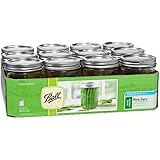



Ball Wide Mouth Pint 16-Ounce Glass Mason Jar with Lids and Bands, 12-Count
$24.96 (as of March 19, 2026 14:37 GMT -04:00 - More infoProduct prices and availability are accurate as of the date/time indicated and are subject to change. Any price and availability information displayed on [relevant Amazon Site(s), as applicable] at the time of purchase will apply to the purchase of this product.)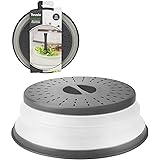


Tovolo Microwave Splatter Cover for Food, Medium (Charcoal) - Collapsible & Vented Silicone Splatter Guard Lid - Microwave Plate & Dish Cover with Handle - BPA-Free Kitchen Gadget for Meal Prep
$10.99 (as of March 20, 2026 10:53 GMT -04:00 - More infoProduct prices and availability are accurate as of the date/time indicated and are subject to change. Any price and availability information displayed on [relevant Amazon Site(s), as applicable] at the time of purchase will apply to the purchase of this product.)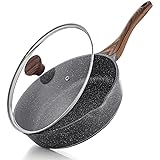


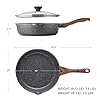

SENSARTE Nonstick Skillet, Deep Frying Pan 10/11/12-inch, Saute Pan with Lid, Stay-cool Handle, Healthy Stone Cookware Cooking Pan, Induction Compatible (10-Inch/3.5QT)
$29.99 (as of March 20, 2026 10:54 GMT -04:00 - More infoProduct prices and availability are accurate as of the date/time indicated and are subject to change. Any price and availability information displayed on [relevant Amazon Site(s), as applicable] at the time of purchase will apply to the purchase of this product.)- 1. Ceramic Non-Stick Cookware
- 2. Cast Iron Skillets
- 3. Stainless Steel Cookware
- 4. Silicone Baking Mats
- 5. Enameled Cast Iron
- 6. Anodized Aluminum Pans
- 7. Copper Cookware
- 8. Silicone Coated Cookware
- 9. Titanium Cookware
- 10. Eco-friendly Non-stick Technology
1. Ceramic Non-Stick Cookware
Why Choose Ceramic Non-Stick for Low Oil Cooking
In 2025, ceramic non-stick cookware continues to be a popular choice for those seeking cookware that minimizes cooking oil use. Its smooth surface allows for easy food release without the need for excess oil, making it ideal for healthier meals. Unlike traditional non-stick coatings, ceramic coatings are free from PTFE and PFOA, offering a safer, eco-friendlier option.
Cooking with ceramic non-stick reduces the need for added fats because food doesnât stick to the surface. This results in less oil consumption and healthier dishes. Additionally, ceramic cookware is highly durable when cared for properly, resisting scratches and peeling, which extends its lifespan.
For practical use in 2025, look for ceramic cookware with a thick base for even heating. These pans are perfect for sautéing vegetables, eggs, or pancakes while using minimal or no oil. Incorporate ceramic cookware into your kitchen for a healthier, low-oil lifestyle.
Pros and Cons of Ceramic Non-Stick
- Pros: Eco-friendly, chemical-free, easy to clean, reduces oil use
- Cons: Can be prone to chipping if mishandled, shorter lifespan than some materials
- Tip: Use wooden or silicone utensils to prolong ceramic non-stick surface
2. Cast Iron Skillets
Benefits of Using Cast Iron for Low-Oil Cooking
Cast iron skillets are timeless and highly effective for cooking with minimal oil. When seasoned properly, cast iron develops a natural non-stick surface that allows you to cook foods with little to no added fats. In 2025, more home chefs are embracing cast iron for its versatility and health benefits.
One of the key advantages is its excellent heat retention. This ensures even cooking, reducing the need for excessive oil or butter to prevent sticking or burning. Additionally, cast iron can be used on stovetops, ovens, and even over open flames, making it incredibly flexible.
To maximize its benefits, keep your cast iron skillet well-seasoned with oil, which enhances its non-stick properties naturally. With regular use, you’ll develop a patina that further minimizes oil use in your cooking process.
Maintenance and Care Tips
- Always clean with minimal soap or hot water and dry thoroughly
- Apply a thin layer of oil after each wash to maintain seasoning
- Avoid cooking highly acidic foods initially to preserve seasoning
3. Stainless Steel Cookware
Why Stainless Steel is a Great Choice for Minimizing Cooking Oil
Stainless steel cookware is renowned for its durability, non-reactive surface, and ability to cook with very little oil in 2025. Itâs especially effective when cooking foods that benefit from browning, like meats and vegetables, without sticking excessively.
By preheating stainless steel pans properly and adding a small amount of oil initially, you can minimize oil use while still achieving crispy, flavorful results. Its high heat tolerance allows for quick searing, reducing cooking time and oil dependency.
In recent years, advancements in multi-layer stainless steel construction have improved heat distribution, making these pans even more efficient at low-oil cooking. Theyâre also dishwasher safe and easy to maintain, making them a staple in a health-conscious kitchen.
Practical Tips for Cooking with Stainless Steel
- Preheat the pan for a few minutes before adding ingredients
- Use a small amount of oil and spread it evenly
- Let food develop a crust before turning or stirring
4. Silicone Baking Mats
Healthy Baking with Silicone Mats
Silicone baking mats are a game-changer for baking enthusiasts looking to minimize cooking oil use in 2025. These mats provide a non-stick surface, eliminating the need for greasing pans with oil or butter. Their heat-resistant properties allow for even baking without added fats.
Using silicone baking mats not only reduces oil but also cuts down on cleanup time and waste. They’re reusable, environmentally friendly, and compatible with a wide range of oven temperatures.
Ideal for baking cookies, roasting vegetables, or even making delicate pastries, silicone mats are a versatile tool that aligns perfectly with a low-oil, health-focused kitchen.
Tips for Using Silicone Baking Mats Effectively
- Ensure mats are clean and dry before use
- Place directly on baking sheets for best results
- Combine with minimal oil for recipes requiring lubrication
5. Enameled Cast Iron
Advantages of Enameled Cast Iron for Low-Oil Cooking
Enameled cast iron offers the heat retention and durability of traditional cast iron but with a smooth, easy-to-clean surface that requires less oil for cooking. The enameled coating prevents rusting and simplifies maintenance, making it a favorite in 2025 for health-conscious cooks.
This cookware is excellent for simmering stews, roasting, and frying foods with minimal oil. Its slick surface reduces sticking, allowing you to cook with less fat while maintaining flavor and texture.
Additionally, enameled cast iron heats evenly, reducing the need for excessive oil to prevent food from sticking or burning. Itâs a versatile investment for any modern, eco-friendly kitchen.
Care and Usage Tips
- Avoid metal utensils to prevent coating damage
- Use moderate heat to preserve enamel surface
- Wash with gentle cleaners for longevity
6. Anodized Aluminum Pans
Why Opt for Anodized Aluminum
Anodized aluminum pans are known for their durability, even heating, and non-reactive surfaces, making them suitable for cooking with less oil. Their natural non-stick qualities mean less oil is needed to prevent sticking, especially in 2025âs health-focused lifestyle.
This material heats quickly and evenly, allowing you to cook at lower temperatures and with minimal added fats. Its resistance to corrosion and scratches means these pans will last for years, making them a cost-effective choice.
For best results, pair anodized aluminum pans with silicone utensils and preheat properly before adding ingredients.
Usage Tips for Low-Oil Cooking
- Always preheat your pan for 1-2 minutes
- Add small amounts of oil or use oil spray for controlled application
- Cook at medium to low heat to prevent sticking
7. Copper Cookware
High-Performance Copper for Low-Oil Cooking
In 2025, copper cookware is prized for its superior thermal conductivity, which allows precise temperature control. This helps reduce the need for excess oil since cooking times are faster and more controlled. Copper pans heat quickly, minimizing sticking and the necessity for high-fat cooking methods.
While traditional copper can be expensive, many modern copper cookware sets are lined with non-stick or stainless steel interiors that help further reduce oil consumption.
Cooking with copper is ideal for delicate tasks like melting chocolate or tempering sauces, which often require minimal fats, making it a perfect addition to a low-oil kitchen.
Maintenance Tips
- Regularly polish copper to maintain its appearance
- Use lined copper cookware to prevent food reactions
- Heat gradually to avoid warping
8. Silicone Coated Cookware
Innovative Silicone Coating Solutions
Silicone coated cookware combines the non-stick properties of silicone with traditional metal pans, offering a safe, non-toxic alternative for minimizing cooking oil in 2025. Its flexible and heat-resistant qualities allow you to cook food with little to no added oil or butter.
This cookware is lightweight and easy to handle, making it perfect for quick, low-fat meals. Its non-stick surface ensures easy food release and simple cleaning, further promoting healthier cooking practices.
Look for cookware with high-quality silicone coating, ensuring durability and consistent performance over time.
Practical Application Tips
- Preheat slightly before cooking for best non-stick performance
- Use minimal oils or sprays for enhanced health benefits
- Combine with healthy recipes to maximize benefits
9. Titanium Cookware
Durability and Low Oil Usage
Titanium cookware is lightweight, incredibly strong, and resistant to corrosion. Its non-stick nature reduces the need for large amounts of oil, making it an excellent choice for low-oil cooking in 2025. Although traditionally used in camping and outdoor settings, modern titanium pots and pans are now popular in home kitchens.
Its excellent heat conduction paired with a slick surface ensures food cooks evenly and sticks less. Titanium cookware is also highly durable, resisting scratches and warping, which encourages healthier, low-fat cooking over the long term.
For best results, pair titanium cookware with silicone utensils and proper preheating techniques to minimize oil use effectively.
Benefits and Maintenance
- Resistant to scratching and corrosion
- Easy to clean with warm water and gentle sponge
- Ideal for high-heat searing with minimal oil
10. Eco-friendly Non-stick Technology
Revolutionary Non-stick Coatings for 2025
In 2025, advancements in eco-friendly non-stick technology have revolutionized how we cook with less oil. These coatings are free from harmful chemicals like PTFE and PFOA, relying instead on ceramic, silicone, or other sustainable materials. They deliver excellent non-stick performance for a fraction of the oil traditionally required.
This technology not only supports healthier living but also aligns with environmental sustainability goals. Cooking appliances with these coatings are dishwasher safe, easy to clean, and durable, making them a smart choice for low-oil cooking.
To maximize benefits, choose high-quality cookware from trusted brands and avoid metal utensils that might scratch the surface.
Future Trends and Consumer Choices
- Focus on biodegradable and safe non-stick coatings
- Increasing availability of affordable, eco-friendly options
- Recommended for eco-conscious consumers aiming to reduce oil in recipes
FAQs about Cookware that Minimizes Cooking Oil Use
Q1: What is the best cookware that minimizes cooking oil use?
The best cookware depends on your cooking style, but ceramic non-stick, cast iron, and stainless steel options are excellent choices for reducing oil intake while preparing delicious meals.
Q2: How do I care for cookware that minimizes cooking oil use?
Proper care varies by material, but generally avoiding metal utensils, cleaning gently, and maintaining seasoning or coatings prolongs the lifespan and ensures optimal non-stick performance.
Q3: Can I cook every meal with minimal oil using these cookware options?
Yes! Many of these cookware types allow you to fry, sauté, and bake with little to no oil, especially when combined with proper techniques like preheating and controlling temperature.
Q4: Are eco-friendly non-stick coatings safe and durable?
Absolutely. Modern eco-friendly coatings are designed without harmful chemicals, offering safe, long-lasting performance suitable for low-oil cooking in 2025.
Q5: What practical tips can help me reduce oil use in cooking?
- Preheat your cookware before adding ingredients
- Use small amounts of oil or cooking sprays
- Incorporate water, broth, or natural fats as alternative lubricants
- Choose the right cookware for your techniques
Conclusion
This matters more than it seems because weak decisions here usually create bigger downstream problems. As we move further into 2025, prioritizing cookware that minimizes cooking oil use has become essential for healthier living and environmental sustainability. From ceramic non-stick pans to advanced eco-friendly coatings, the right cookware can drastically reduce your oil dependency without sacrificing flavor or convenience. Remember, selecting the appropriate tools and practicing proper cooking techniques will help you achieve low-oil, delicious meals every day. Embrace these options and make healthier choices in your kitchen today!