


CAROTE Non Stick Frying Pan Skillet, Nonstick Granite Fry Pan with Glass Lid, Egg Pan Omelet Pans, Stone Cookware Chef's Pan, PFOA Free (Classic Granite, 10-Inch)
$19.99 (as of March 20, 2026 10:54 GMT -04:00 - More infoProduct prices and availability are accurate as of the date/time indicated and are subject to change. Any price and availability information displayed on [relevant Amazon Site(s), as applicable] at the time of purchase will apply to the purchase of this product.)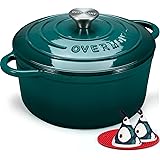


Overmont Enameled Cast Iron Dutch Oven - 5.5QT Pot with Lid Cookbook & Cotton Potholders - Heavy-Duty Cookware for Braising, Stews, Roasting, Bread Baking bottle green
$44.98 (as of March 19, 2026 14:35 GMT -04:00 - More infoProduct prices and availability are accurate as of the date/time indicated and are subject to change. Any price and availability information displayed on [relevant Amazon Site(s), as applicable] at the time of purchase will apply to the purchase of this product.)


SENSARTE Nonstick Ceramic Frying Pan with Lid 8/9.5/10/11/12.5 Inch Omelet Pan Skillet, Free of Intentionally Added PFAS/PTFE Non-toxic Chef's Pan Induction Compatible Pan, Heat Resistant Handle
$21.99 (as of March 20, 2026 11:02 GMT -04:00 - More infoProduct prices and availability are accurate as of the date/time indicated and are subject to change. Any price and availability information displayed on [relevant Amazon Site(s), as applicable] at the time of purchase will apply to the purchase of this product.)
1. Copper Cookware – The Gold Standard for Flavor Enhancement
Why Copper Is Unmatched in Food Flavoring
Copper cookware has long been celebrated among professional chefs for its ability to conduct heat evenly. This precise temperature control is crucial when trying to enhance the natural flavors of your ingredients. In 2025, more home cooks are turning to copper because it ensures every dish develops deep, complex flavors without hotspots that can burn or undercook food.
Research shows that copper’s excellent thermal conductivityâabout 400 W/m·Kâoutperforms other materials, allowing quicker adjustments to heat. This responsiveness helps lock in flavors efficiently, especially during delicate preparations like sauces or caramelization processes. As a result, kitchen experiments with copper often yield rediscovered flavor profiles and richer tastes.
For those interested in improving their culinary results, investing in high-quality copper cookware is a game changer. Its natural tendency to react with acidic ingredients can deepen flavors, but proper lining (such as tin or stainless steel) ensures durability and safety.
Practical Tips for Using Copper in Your Kitchen
To maximize flavor enhancement when cooking with copper, always preheat your pans gradually. This prevents hot spots and helps evenly develop the dishâs flavor layers. When searing meats or frying vegetables, copper pans maintain consistent temperature, allowing flavors to caramelize perfectly.
Cleaning and maintenance are essential for preserving copper’s conductive qualities. Regular polishing prevents tarnish and keeps cookware looking pristine. Using non-abrasive cleaners will maintain the surface, ensuring your copper cookware continues to enhance food flavor over the years.
Combining copper with other materials, like stainless steel or tin, offers the best of both worldsâexcellent heat conduction and easy maintenanceâmaking it suitable for a variety of gourmet dishes you’d want to prepare in 2025.
2. Cast Iron Skillets – Versatility Meets Flavor
Why Cast Iron Is Perfect for Flavor Development
Cast iron skillets are timeless for a reason: they promote flavor development through their ability to retain and distribute heat evenly. In 2025, many chefs and home cooks prefer cast iron because it enhances the natural flavors of everything from steaks to vegetables.
Studies indicate that seasoned cast iron pans develop a naturally non-stick surface, which contributes to better browning and caramelizationâkey processes in developing rich flavors. When properly seasoned, cast iron can impart a subtle, delicious flavor to your dishes that improves with use, creating a unique seasoning layer that amplifies taste.
Moreover, cast iron cookware’s durability allows for high-temperature cooking, such as searing or roasting, which locks in juices and intensifies flavors. It’s an investment that, with proper care, can last a lifetime while continually enhancing your foodâs flavor profile.
Tips for Optimizing Flavor with Cast Iron
Preheat your cast iron pan before cooking to ensure even heating. This step is vital for developing a consistent flavor and achieving the perfect sear. During cooking, avoid rapid temperature changes to prevent sticking, which can diminish flavor quality.
Season your cast iron regularly to build a robust layer that enhances flavors over time. Proper seasoning involves applying a thin layer of oil and baking the pan until it develops a natural non-stick coating. This process boosts flavor development and makes cleaning easier.
Cleaning cast iron should be gentleâavoid soap which might strip seasoning. Instead, use hot water and a stiff brush, then dry thoroughly and apply a light coat of oil to preserve the seasoned surface that contributes to flavor enhancement.
3. Ceramic Non-Stick Pans – Healthier Cooking & Flavor Preservation
Ceramic Coatings and Their Impact on Food Flavor
Ceramic cookware has gained popularity in 2025 for its non-reactive nature, which makes it ideal for preserving the true flavors of ingredients without imparting metallic tastes. Unlike traditional non-stick pans, high-quality ceramic coatings are free from toxic chemicals such as PFOA and PTFE, making them safer for everyday use.
This characteristic means that food cooked in ceramic pans maintains its authentic flavor profile, especially delicate items like eggs, fish, or sauces. Their even heat distribution ensures consistent cooking, which is critical for flavor development. Plus, ceramic coatings tend to be more resistant to scratches, prolonging the usability and flavor benefits.
To maximize flavor enhancement, cook at moderate temperatures and avoid high heat that can degrade the ceramic layer. Proper cleaning with gentle sponges will keep the surface non-reactive and maintain optimal flavor preservation.
Tips for Using Ceramic Cookware Effectively
Always preheat ceramic pans gradually to avoid thermal shock. This will help maintain the integrity of the coating and ensure even heating, which is crucial for flavor extraction from ingredients.
Use wooden or silicone utensils to prevent scratching the surface, which can affect flavor retention. An evenly coated surface supports consistent cooking conditions that enhance natural tastes.
Finally, store your ceramic cookware carefully and avoid stacking without padding. Proper care ensures the longevity of the coating, keeping your food tasting fresh and flavorful in 2025 and beyond.
Frequently Asked Questions
- 1. What is the best cookware that enhances food flavor for daily cooking in 2025?
- Many experts recommend high-quality copper and cast iron cookware, as they significantly improve flavor development due to their heat conduction and retention properties. Choosing the right cookware depends on your cooking style and preferences.
- 2. How does the material of cookware impact food flavor?
- The material affects heat distribution, reactivity, and seasoning. For example, copper enhances flavors through quick heat responses, while cast iron adds a layer of seasoned flavor over time. Non-reactive materials like ceramic preserve ingredientsâ natural tastes.
- 3. Can I use non-stick ceramic cookware to improve flavor?
- Yes, ceramic non-stick pans help preserve pure flavors because they do not react with acidic foods and distribute heat evenly. Proper care ensures they maintain their non-reactive properties and flavor-enhancing qualities.
- 4. How should I clean and maintain cookware that enhances food flavor?
- Cleaning depends on the material: avoid harsh abrasives for cast iron, and use gentle sponges for ceramic and copper. Regular seasoning for cast iron and polishing for copper are vital for flavor optimization and prolonging cookware life.