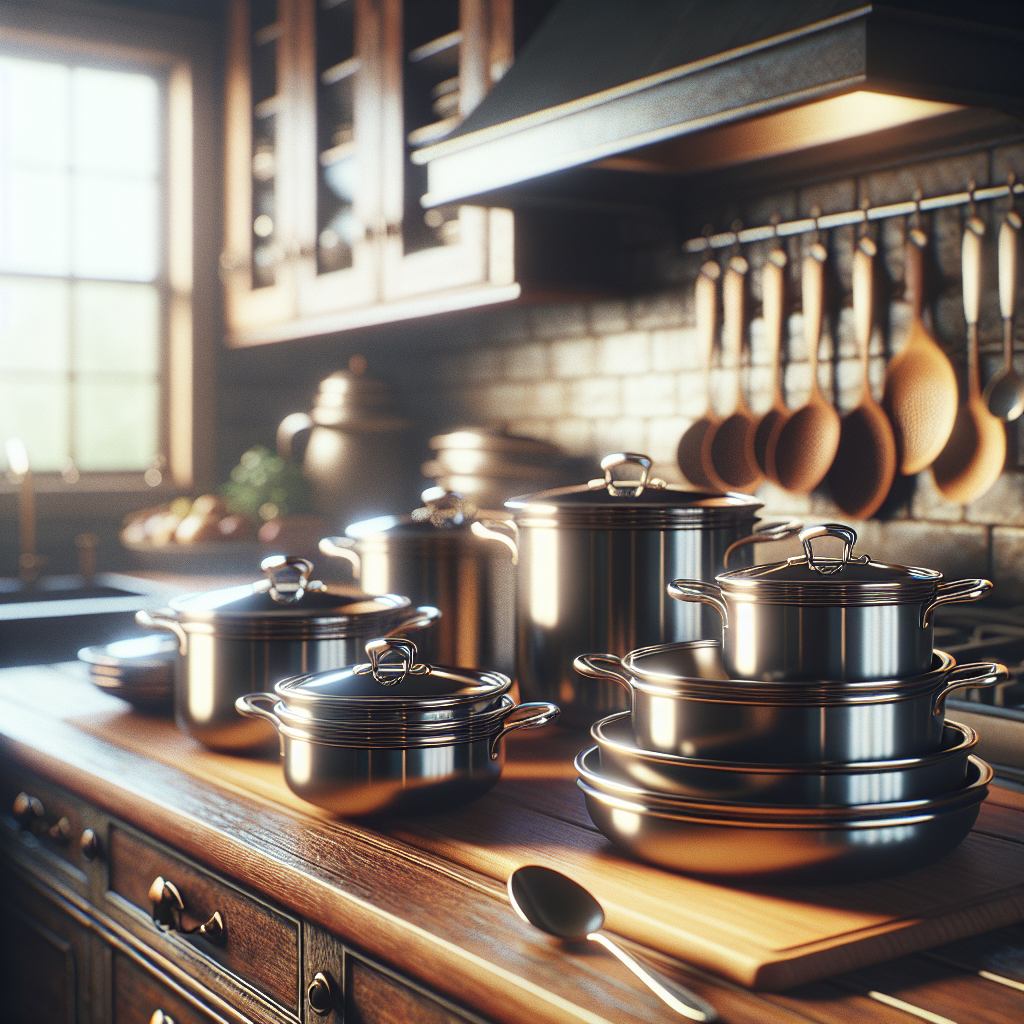
Cookware designed for modern kitchens integrates materials that enhance efficiency, durability, and user convenience. The most common choices include stainless steel, cast iron, non-stick coatings, and aluminum, each offering specific advantages suited to contemporary cooking needs. Material selection directly impacts heat distribution, cleaning ease, and compatibility with various cooktops, especially induction. In the fast-paced modern kitchen, cookware must heat quickly and evenly, resist corrosion, and be simple to maintain without sacrificing performance.
Understanding the tradeoffs between different materials helps in choosing cookware that aligns with your cooking style and space constraints. For instance, non-stick coatings provide easy food release but may require careful handling to prevent damage, while stainless steel offers longevity and versatility but demands more attention to prevent sticking. The rise of induction cooktops has also driven demand for compatible materials like magnetic stainless steel and cast iron, influencing design choices in modern cookware.
Material Innovation for Heat Efficiency and Durability
Modern cookware benefits from advancements in material technology that improve heat conduction and resistance to wear. Multi-layer constructions, such as clad stainless steel with aluminum or copper cores, deliver superior heat responsiveness, reducing hot spots and ensuring even cooking. These innovations allow for precise temperature control, which is crucial in modern, multi-purpose kitchens where efficiency matters most.
Design for Easy Maintenance and Compatibility
Ease of cleaning and compatibility with various cooktops are top priorities. Non-stick surfaces, ceramic coatings, and dishwasher-safe designs simplify cleanup, saving time in busy kitchens. Compatibility with induction, gas, and electric stoves broadens usability, and choosing cookware with flat, stable bases prevents wobbling and uneven heating. The ability to transfer cookware from stove to oven or dishwasher without damage is increasingly valued.
Balancing Performance with Sustainability
Sustainable choices in cookware are gaining importance as consumers seek eco-friendly options. Recyclable materials like stainless steel and responsibly sourced cast iron align with environmental goals, while non-stick coatings are evolving toward more environmentally benign formulas. The balance between durability, performance, and ecological impact influences modern design trends, encouraging brands to innovate with less toxic, longer-lasting products.
Practical Considerations for Selection and Use
Choosing the right cookware involves assessing your cooking habits, storage space, and budget. Prioritize materials that match your typical dishes—non-stick for quick, easy meals; stainless steel for versatility; cast iron for searing and slow cooking. Proper care extends the lifespan of high-performance cookware, with specific cleaning and maintenance routines tailored to each material. Understanding these practicalities ensures your investment pays off over years of reliable use.
Frequently Asked Questions
How does material innovation improve heat efficiency in cookware?
Material innovation enhances heat efficiency by developing cookware with better heat conduction properties, allowing for more even cooking and reduced energy consumption. New materials such as advanced alloys or ceramic composites can distribute heat more uniformly, minimizing hot spots. This results in faster cooking times and better control over temperature, making your cookware more energy-efficient.
What are some durable materials used in cookware that benefit from recent innovations?
Material innovation enhances heat efficiency by developing cookware with better heat conduction properties, allowing for more even cooking and reduced energy consumption. New materials such as advanced alloys or ceramic composites can distribute heat more uniformly, minimizing hot spots. This results in faster cooking times and better control over temperature, making your cookware more energy-efficient.
In what ways does material innovation contribute to the longevity of heat-resistant cookware?
Material innovation enhances heat efficiency by developing cookware with better heat conduction properties, allowing for more even cooking and reduced energy consumption. New materials such as advanced alloys or ceramic composites can distribute heat more uniformly, minimizing hot spots. This results in faster cooking times and better control over temperature, making your cookware more energy-efficient.
How can new materials in cookware enhance heat retention and overall durability?
Material innovation enhances heat efficiency by developing cookware with better heat conduction properties, allowing for more even cooking and reduced energy consumption. New materials such as advanced alloys or ceramic composites can distribute heat more uniformly, minimizing hot spots. This results in faster cooking times and better control over temperature, making your cookware more energy-efficient.