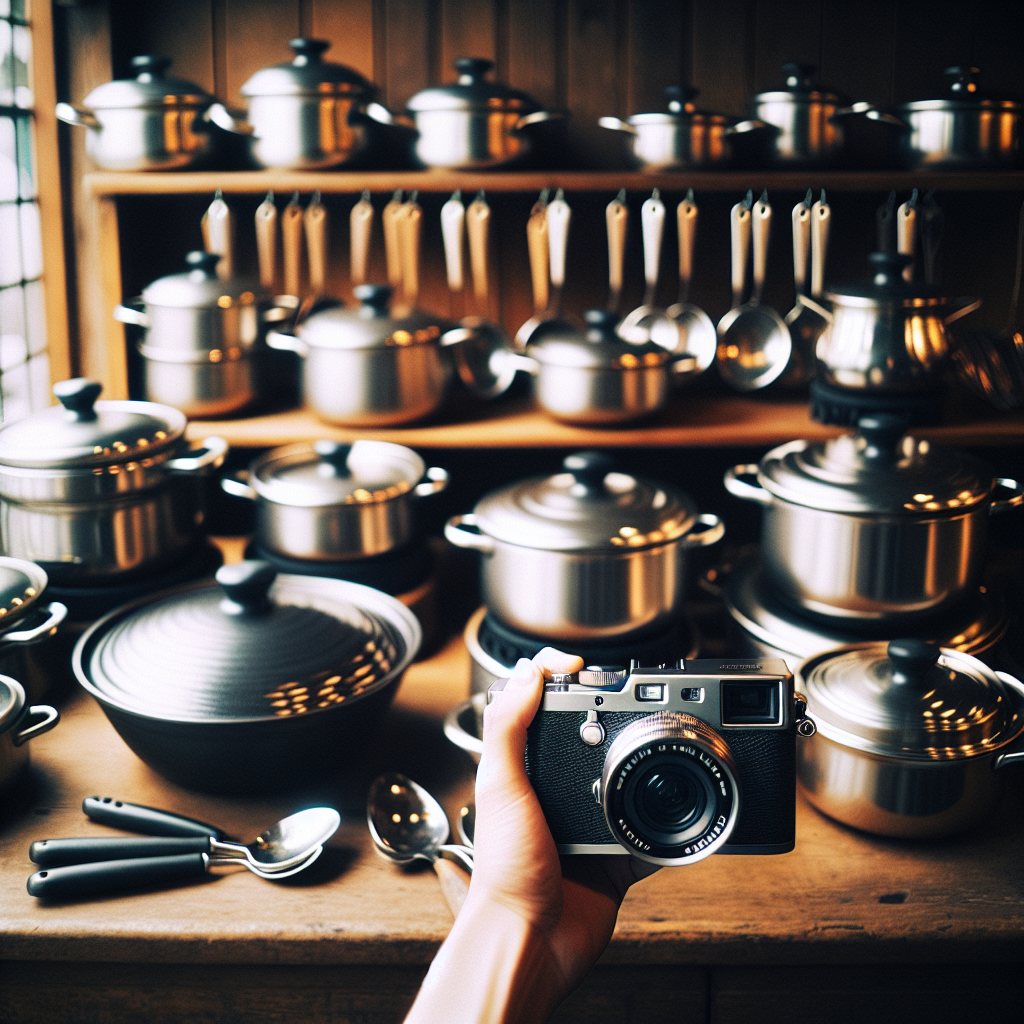
Choosing cookware designed for frequent use requires understanding the materials and construction that withstand daily or heavy-duty cooking. Unlike occasional-use options, high-use cookware faces constant thermal cycling, mechanical stress, and cleaning challenges that can degrade lesser products quickly. Durability becomes the primary concern, and selecting the right material—such as stainless steel, cast iron, or hard-anodized aluminum—is crucial for longevity.
In practical terms, cookware built for frequent use must resist warping, coating breakdown, and corrosion. For example, stainless steel cookware maintains its shape and appearance over years of daily use, provided it’s properly cared for. Cast iron, if seasoned and cleaned correctly, offers decades of service. Conversely, nonstick coatings tend to wear faster under constant use, especially if abrasive cleaning methods are employed or if they are subjected to high heat repeatedly.
Tradeoffs often involve weight, heat conduction, and maintenance. Heavy cookware like cast iron offers excellent durability but can be cumbersome, while lighter materials may require more frequent replacement. Proper care involves avoiding rapid temperature changes, using non-abrasive cleaning tools, and inspecting for damage regularly. This proactive approach prevents early failure and maintains cooking performance.
Material Choices for Heavy-Use Cookware
Material selection directly impacts the longevity of cookware used daily. Stainless steel is highly resistant to corrosion and warping, making it suitable for a wide range of cooking styles. Cast iron is nearly indestructible, with proper seasoning and maintenance, but requires careful handling to prevent rust and cracking. Hard-anodized aluminum offers excellent heat conduction with increased durability over traditional aluminum, making it a practical choice for frequent cooking.
Maintenance and Care Routines
Proper maintenance extends the lifespan of cookware built for frequent use. Regular cleaning with non-abrasive scrubbers, avoiding metal utensils that scratch surfaces, and drying thoroughly prevent corrosion and coating degradation. For cast iron, seasoning and periodic oiling restore non-stick properties and prevent rust. Stainless steel requires occasional polishing to maintain appearance and performance. Following manufacturer instructions for cleaning and storage reduces early wear and tear.
Common Failures and How to Prevent Them
Failures such as warping, coating peeling, or rusting typically stem from improper use or neglect. Overheating non-stick surfaces causes coatings to break down faster, while rapid cooling of hot cookware can warp thin metals. Mechanical damage from abrasive scrubbers or metal utensils accelerates deterioration. Preventive measures include using appropriate heat levels, avoiding sudden temperature shifts, and employing gentle cleaning methods. Investing in high-quality cookware reduces the risk of early failure significantly.
Cost-Benefit Analysis of Investing in Heavy-Duty Cookware
While high-end cookware may have a higher initial price, its durability and lower replacement frequency justify the expense for frequent users. Cheaper alternatives tend to wear out faster, leading to more frequent replacements and higher long-term costs. Balancing upfront investment with expected lifespan and maintenance ease is key. For busy kitchens or avid home cooks, prioritizing quality materials and proper care routines provides the best value over time.
Practical Tips for Extending Cookware Lifespan
Consistent inspection for signs of wear, such as loose handles or scratched surfaces, helps catch issues early. Use wooden or silicone utensils to prevent coating damage, and avoid cooking on excessively high heat unless necessary. When cleaning, soak stubborn residues instead of abrasive scrubbing, and dry cookware immediately to prevent corrosion. Proper storage, such as hanging or stacking with protective liners, prevents physical damage that could compromise integrity.
Conclusion
Investing in cookware designed for frequent use demands careful material selection, diligent maintenance, and mindful handling. Durable materials like stainless steel, cast iron, or anodized aluminum withstand daily stresses better, but their longevity depends heavily on proper care routines. Regular inspections, gentle cleaning, and avoiding sudden temperature changes prevent common failures such as warping or coating degradation. While upfront costs for quality cookware may be higher, their resistance to wear and longer lifespan offer better value over time, especially for busy kitchens or avid home cooks. Prioritize understanding your cooking habits and choosing materials that match your needs, then commit to consistent maintenance practices to ensure your cookware remains safe, effective, and reliable for years to come.